
When you bring a newborn home, everything changes.

You check the water.
You check the temperature.
You sanitize bottles.
But what about the air?
In Houston, where humidity, pollen, and seasonal allergens are constant, indoor air quality (IAQ) isn’t just about comfort — it’s about health, sleep, and peace of mind.
This guide explains which whole-home air quality upgrades actually make a difference for newborns and allergy sufferers — and which ones are just marketing.
No scare tactics. Just clarity.
Why Indoor Air Quality Matters More in Houston
Houston homes deal with three major air challenges:
- High humidity
- Seasonal pollen
- Mold risk
- Long AC run cycles
When humidity stays elevated, it creates the perfect environment for:
- Dust mites
- Mold spores
- Bacteria growth
- Lingering odors
For adults, that might mean mild irritation.
For newborns and allergy sufferers, it can mean:
- Congestion
- Interrupted sleep
- Skin irritation
- Increased respiratory stress
The goal isn’t “perfect air.”
The goal is cleaner, more stable air that supports breathing and rest.
Upgrade #1: High-Efficiency HVAC Filtration (MERV 11–13)
If your system uses a basic fiberglass filter, it’s catching almost nothing.
A properly matched MERV 11–13 filter can capture:
- Fine dust
- Pollen
- Pet dander
- Some airborne bacteria
For newborns and allergy-sensitive households, this is often the first meaningful upgrade.
But here’s the key:
Not every HVAC system can handle high-MERV filters without restricting airflow.
If airflow drops, your system works harder — and comfort decreases.
That’s why filtration upgrades should always be evaluated with system capacity in mind.
Upgrade #2: Whole-Home Air Purifiers (Installed Within HVAC System)
Portable air purifiers help — in one room.
Whole-home air purifiers connect directly to your HVAC system and treat the air as it circulates through the house.
Benefits may include:
- Reduction of airborne contaminants
- Improved filtration beyond standard filters
- Whole-house coverage
- Reduced allergen recirculation
For families with newborns or severe allergies, this provides continuous treatment, not just localized filtering.
The key difference?
It works every time the HVAC runs — not just when someone remembers to turn on a device.
Upgrade #3: Humidity Control (Often Overlooked)
In Houston, humidity may be more important than filtration.
High humidity:
- Increases mold growth
- Encourages dust mites
- Makes allergens stick to surfaces
- Causes musty odors
A whole-home dehumidifier or properly calibrated HVAC system can:
- Maintain stable humidity levels
- Improve sleep comfort
- Reduce microbial growth
- Support respiratory health
Many allergy symptoms worsen not because of dust alone — but because moisture allows irritants to thrive.
Humidity control is often the most impactful IAQ upgrade in this climate.

Upgrade #4: UV Light Systems (When Properly Installed)
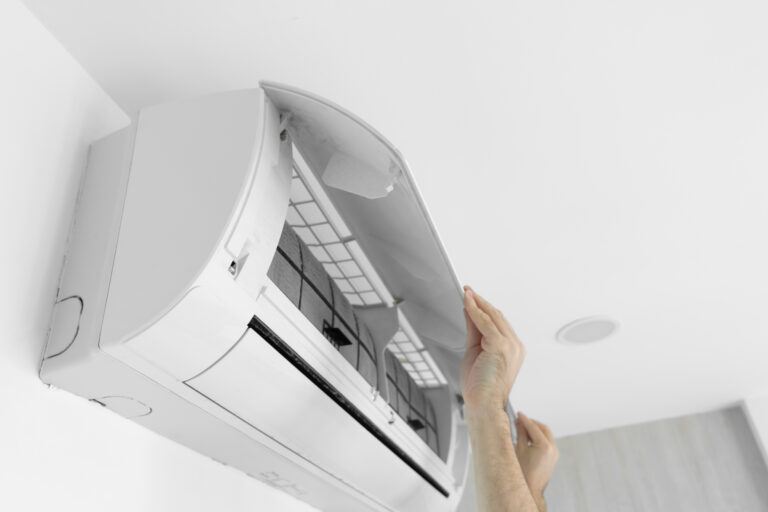
UV lights installed inside the HVAC system can help:
- Reduce microbial growth on coils
- Limit mold buildup
- Improve system cleanliness
They do not “sterilize” your home.
But they can prevent internal contamination that circulates air repeatedly.
For families concerned about mold exposure, this can add another protective layer — especially in high-humidity environments.
What Doesn’t Work as Well as Advertised
Not every IAQ solution delivers real-world results.
Be cautious of:
- Single-room plug-in purifiers for whole-home problems
- Extremely high-MERV filters without airflow testing
- Ozone-generating devices (not recommended for occupied homes)
- Overpromised “air sterilization” claims
Good IAQ improvements are practical, measured, and integrated into your existing HVAC system.
Signs Your Indoor Air May Be Affecting Your Family
You don’t need visible mold to have air quality concerns.
Common signs include:
- Persistent nasal congestion indoors
- Musty odors
- Uneven humidity
- Frequent dust buildup
- Newborn restlessness without obvious cause
- Allergy symptoms worse at home than outside
These aren’t always medical emergencies.
But they are signals that airflow, filtration, or humidity may need attention.
Why HVAC Systems Play a Bigger Role Than Most People Realize
Your HVAC system moves every breathable particle in your home.
If it’s:
- Circulating unfiltered air
- Running inefficiently
- Managing humidity poorly
- Using outdated filtration
Then improving IAQ isn’t about buying gadgets — it’s about optimizing the system already controlling your indoor environment.
Whole-home air quality upgrades work best when integrated into the HVAC system, not added randomly.

IAQ and Newborns: What Matters Most
For newborn households, priorities shift toward:
- Stable temperature
- Controlled humidity
- Reduced airborne irritants
- Quiet, uninterrupted sleep
Babies breathe faster than adults. Their immune systems are still developing. That makes stable air conditions more important — not perfect, but consistent and clean.
Small improvements in air stability often produce noticeable improvements in comfort.
IAQ and Allergy Sufferers: What Makes the Biggest Difference
For allergy-prone homes, focus on:
- Filtration capacity
- Humidity regulation
- Duct cleanliness
- Consistent airflow
Many people treat symptoms without addressing environmental triggers.
Improving air circulation and filtration can reduce exposure levels — even if it doesn’t eliminate allergens completely.
The goal is reduction, not perfection.
When Should You Schedule an Indoor Air Quality Evaluation?
Consider a professional IAQ evaluation if:
- You have a newborn at home
- Allergy symptoms worsen indoors
- You’ve noticed humidity swings
- Your HVAC system is older
- You’re upgrading or replacing equipment
An evaluation doesn’t commit you to installation.
It gives you data:
- Airflow assessment
- Humidity measurement
- Filtration compatibility
- System recommendations
Information first. Decisions second.
The Bottom Line
Indoor air quality isn’t about fear.
It’s about stability.
For newborns and allergy sufferers, small improvements in filtration and humidity can create:
- Better sleep
- Easier breathing
- Reduced irritants
- Greater peace of mind
In Houston’s climate, IAQ upgrades aren’t luxury add-ons — they’re often practical improvements that protect comfort and health long term.
Want to Know If Your Home’s Air Quality Is Supporting Your Family?
We offer professional indoor air quality evaluations that examine:
- Filtration capacity
- Humidity levels
- HVAC airflow
- System compatibility with IAQ upgrades
No pressure. Just clear recommendations based on your home.
👉 Schedule your indoor air quality evaluation today and breathe easier with confidence