

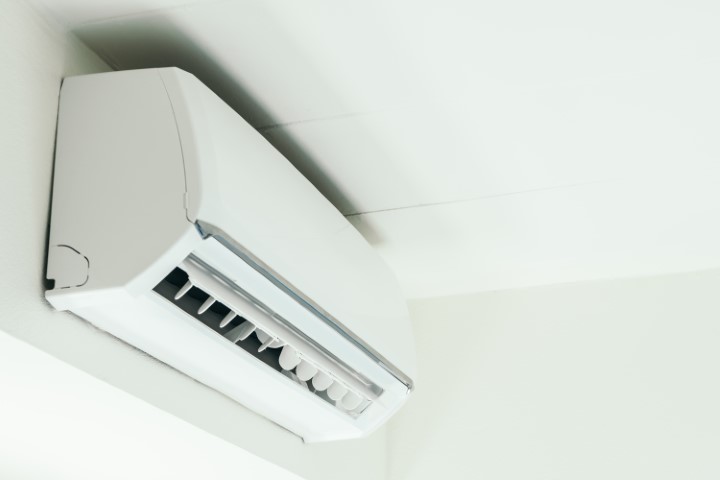
Before anything else, a terminology note that trips up a lot of facility managers comparing bids. VRF means variable refrigerant flow. VRV means variable refrigerant volume. They describe the same technology.
VRV is Daikin's trademark, coined when they invented the system in 1982. When the rest of the industry followed, they could not use the trademarked name, so they called it VRF. If one contractor quotes VRV and another quotes VRF, they are not offering you different things.
We service both, across every major manufacturer, in Houston and the surrounding area.
A conventional system has one compressor that is either running or not. It cools at full output until the thermostat is satisfied, then shuts off, then starts again.
VRF varies the amount of refrigerant it sends, and to where. One outdoor unit feeds many indoor units, and each one draws only what its zone is asking for at that moment. The compressor modulates instead of cycling.
The consequence that matters commercially: a conference room in use and an empty office on the same system get different amounts of cooling, from one piece of equipment, at partial load. And partial load is where a building spends almost all of its operating hours.
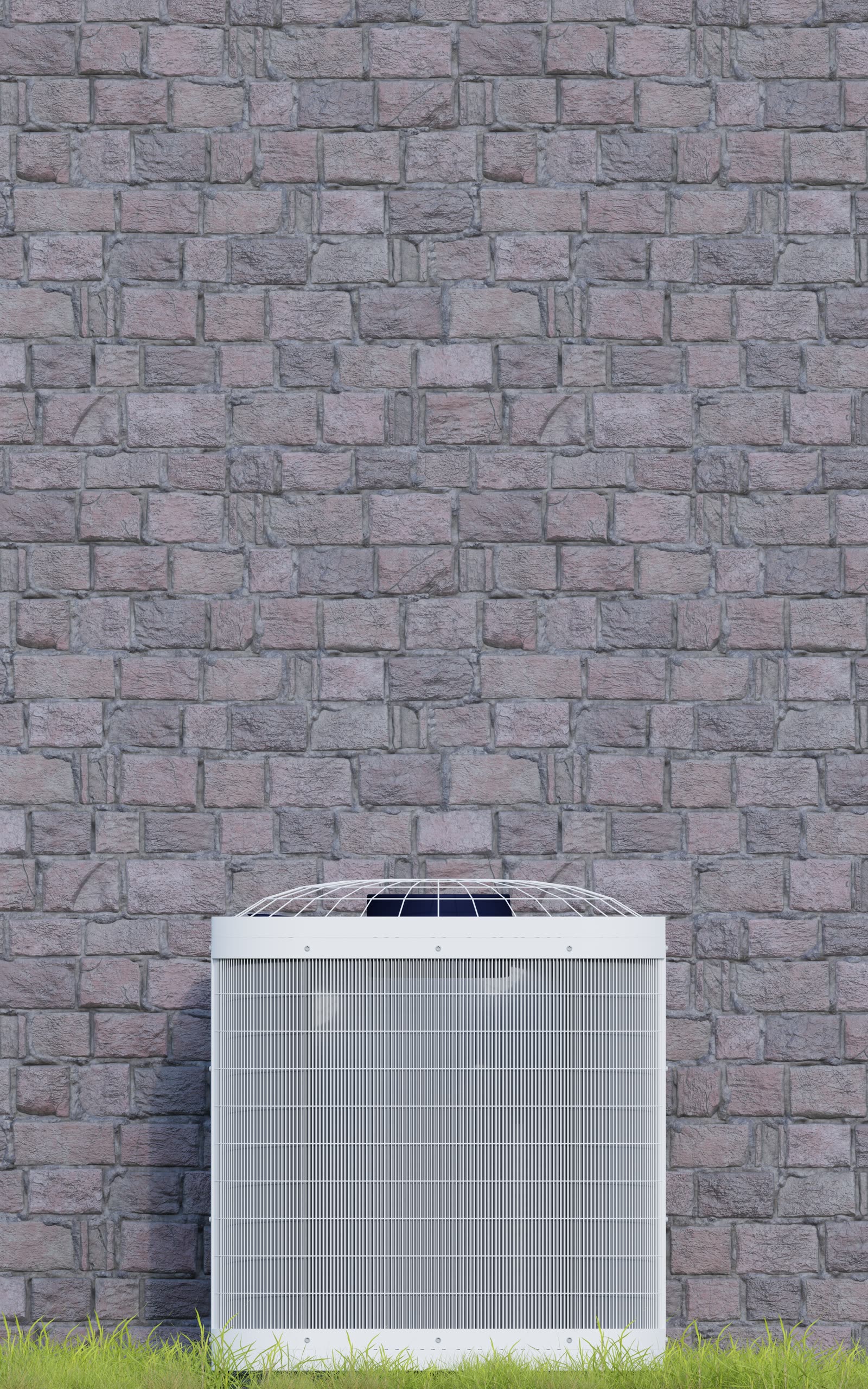
A heat recovery VRF system can cool one zone and heat another at the same time, moving the heat it removes from the first into the second instead of throwing it outside.
In a Houston office with a sunny west face and a shaded interior core, that is not a marginal gain. You are heating one side of the building with energy you would otherwise have paid to reject.
Full design and install, from load calculation and line sizing through indoor unit placement and controls integration.
The step that decides whether the system performs as designed. Refrigerant charge verification, controls addressing, zone by zone testing and documented handover.
Scheduled service on filters, coils, drains, refrigerant charge and control firmware. VRF runs year round, so this is not seasonal.
Diagnostics on error codes, compressors, branch controllers, expansion valves and communication faults between units.
Sourcing and replacement of branch selectors, boards, sensors, valves and indoor units across the major manufacturers.
Swapping failing equipment or migrating from conventional systems, planned around your operating hours.
On startup in particular: a VRF system that was never properly commissioned will run, and it will underperform quietly for years. Wrong refrigerant charge and mis-addressed controls do not throw an error, they just cost you money every month. If you inherited a system and never saw commissioning paperwork, it is worth checking.
Packaged rooftop units are simpler and cheaper to install. They are also all or nothing per unit, which means a building with varied loads either overcools some areas or undercools others. VRF costs more up front and wins back on operating cost, zone control and equipment life. For buildings where the rooftop route still makes more sense, we do that work too through commercial HVAC services.
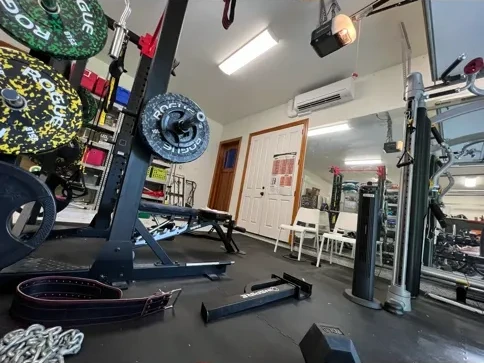
A mini split is VRF's small cousin: one outdoor unit, one or a few indoor heads, no branch controllers. For a single room, an addition or a garage conversion, a mini split is the right tool and VRF is overkill. The line gets crossed somewhere around five or six zones, or when you want the zones to behave as one coordinated system rather than independent units.
Zoning uses dampers to redirect air from one system. VRF varies refrigerant to separate indoor units. Zoning is far cheaper and right for most homes, which is why it is our usual recommendation for residential zoning. VRF is what you reach for when the zones are too many, too different, or too far apart for ductwork to serve well.
We would rather say this before the quote than after the install.
Yes. VRV is Daikin's trademarked name for it, VRF is the generic industry term. Same technology.
Yes, and in Houston's mild winters it does so very efficiently. It works on the same principle as a residential heat pump, at building scale.
Fifteen to twenty years is typical when it is maintained, which is longer than most rooftop equipment. Maintenance is what decides whether you reach the top of that range.
Yes, and a good share of our VRF work is exactly that. If you have inherited a system, the first visit usually starts with verifying the charge and the control configuration.
Within the capacity the outdoor unit was sized for, yes. This is one of the main reasons phased build outs choose VRF. Worth designing headroom in from the start if you know expansion is coming.
No, it is one of the quietest options available. Indoor units are quiet enough for exam rooms and conference rooms, and the outdoor unit modulates rather than starting and stopping.
We source parts across the major manufacturers: branch selectors, control boards, sensors, expansion valves and indoor units. Lead times vary by brand, which is one reason a maintenance agreement pays off — we catch failures before they become shutdowns.
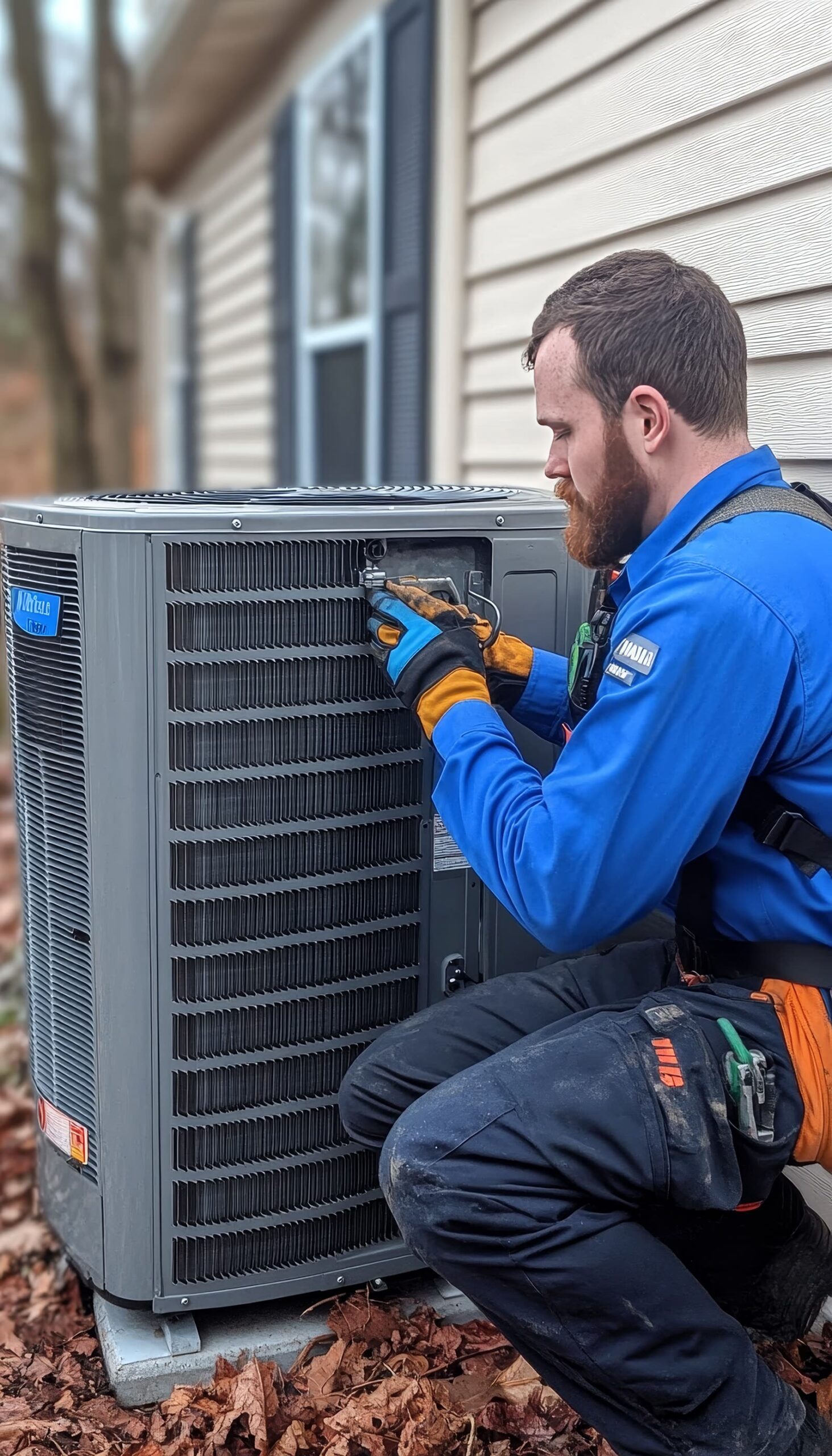
VRF is not a system to hand to a generalist. Tell us the building, the equipment and what it is doing, and we will tell you what it needs.
We cover Houston and the surrounding area for installation, startup, maintenance, repair and parts.
Every commercial job is quoted after a site visit. We look at the equipment, the controls and your operating hours, and plan the work around them.
Request a site visit 713 714 0707Licensed and insured in Texas · Lic # TACLB29866