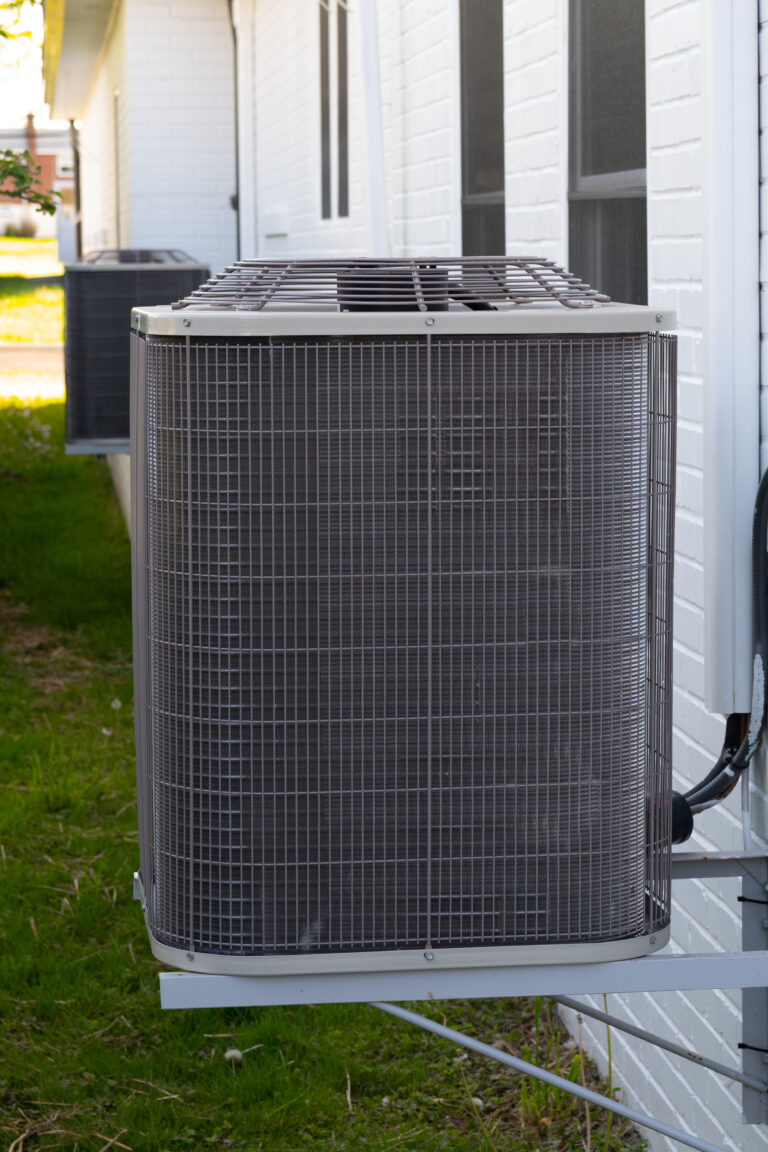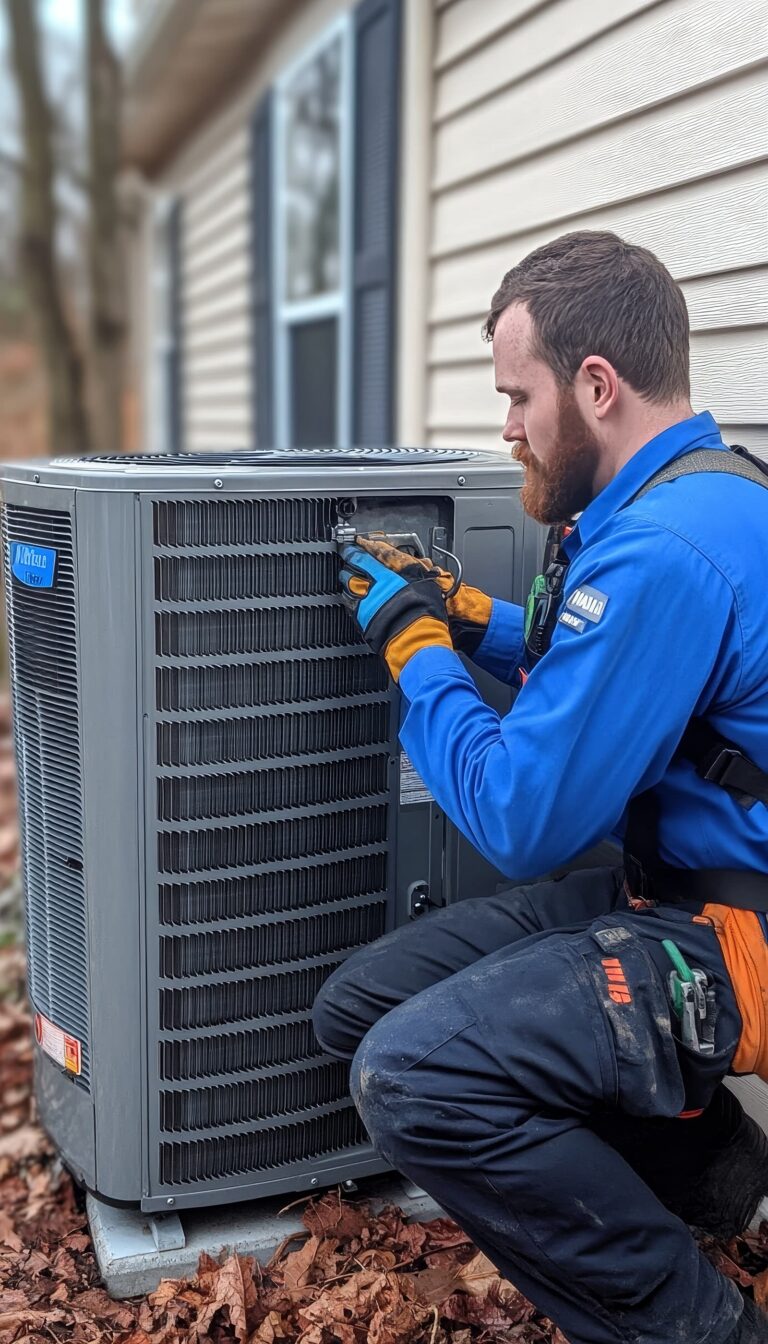
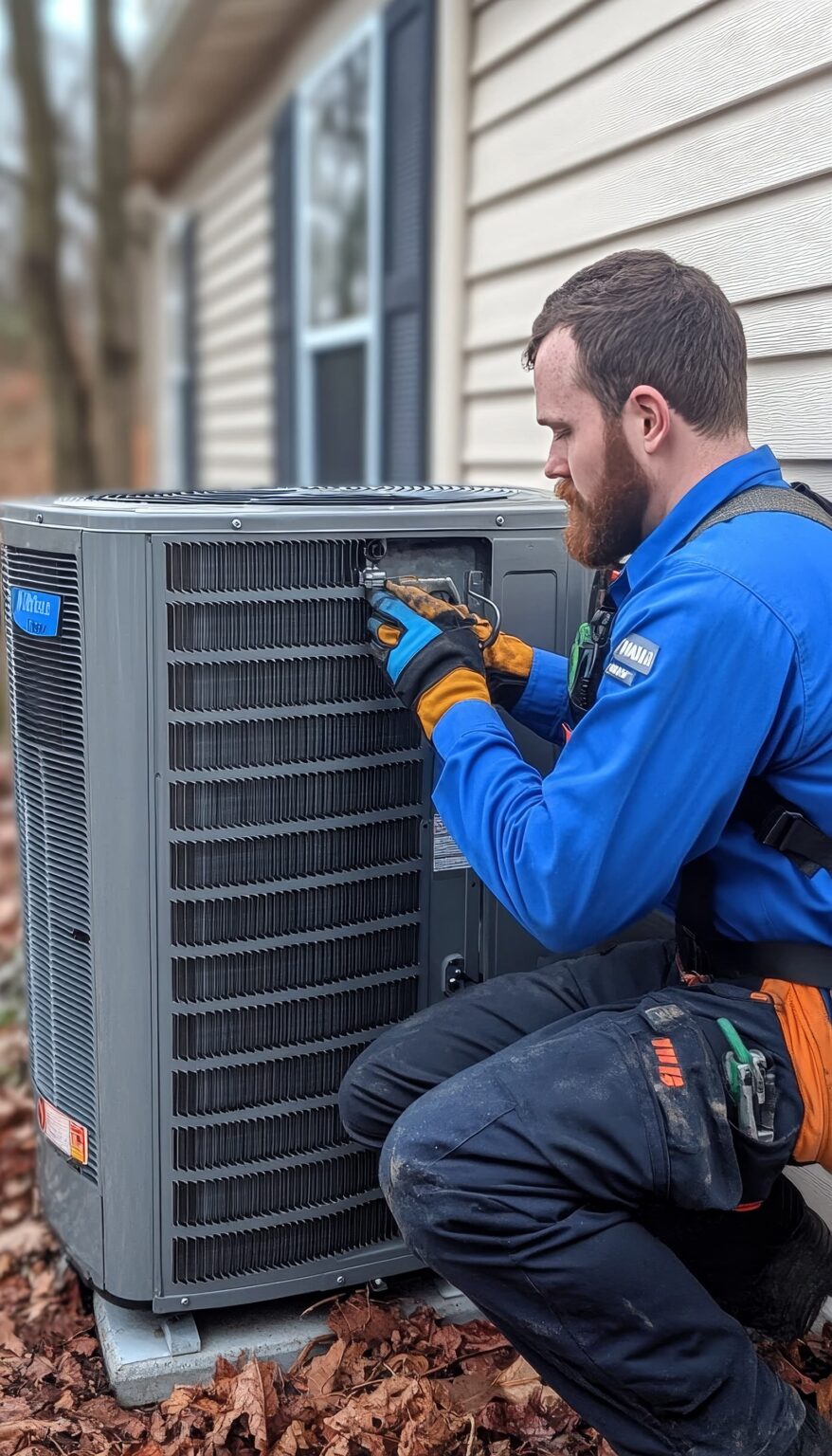
You can find the price of an air conditioner online in about ten seconds. What you cannot find online is what it costs to make that machine work in your house, and that gap is where most of the confusion about HVAC pricing lives.
Here is what sits between the box and a system that actually runs.
The equipment is not the job
When a quote comes in higher than the number you found online, it is rarely markup on the unit. It is the work that has to happen around it.
Refrigerant lines
Lines have to run from the outdoor unit to the indoor coil. In a replacement, existing lines often cannot be reused, either because they are the wrong size for the new equipment or because they carried a refrigerant that is not compatible with what goes in now. Running new lines can mean opening walls.
Electrical, to code
The circuit feeding the system has to be correctly sized and correctly protected. This is not a formality. An undersized circuit on a system that draws more than it was built for is how electrical fires start. Bringing older homes to current code is frequently part of a replacement.
Drainage, to plumbing code
An air conditioner produces water, and in Houston it produces a lot of it. That condensate has to drain properly, with the right slope, the right trap and the right secondary protection. Done wrong, you find out through a ceiling stain.
The choices that are actually yours
Two systems with identical capacity can feel completely different depending on decisions that never appear in an online price:
- Thermostat. Basic, programmable, or run from your phone while you are away.
- Filtration. Someone who wants to change a filter monthly needs a different setup than someone who would rather deal with it twice a year.
- Humidity control. In our climate this decides comfort more than temperature does. See whole home dehumidifiers.
- Zoning. If part of the house is never comfortable, more capacity will not fix it. Zoning will.
Why the same house gets different quotes
Two contractors can look at the same house and price very differently, and it is not always about who is cheaper. It is usually about what each of them included.
A quote that assumes the existing lines, the existing electrical and the existing drain are all fine will always be lower than one that budgets to correct them. It is also the quote more likely to grow once the work starts.
The question worth asking is not “what does it cost” but “what does this include, and what happens if the ductwork or the electrical turns out to need work”. A contractor who has looked at your house can answer that. One quoting from a phone call cannot.

What you are actually buying
The industry has changed the same way cars and appliances did. A refrigerator from thirty years ago kept food cold at the same temperature yours does today. What you pay more for now is the door that shows you what is inside without opening it.
Air conditioning went the same direction. You are not buying cold air, which every system delivers. You are buying air that is not sticky, rooms that are all comfortable rather than most of them, a system you can set from the road, and equipment that lasts because it was sized correctly. That is what a quote is really pricing.
Questions worth asking any contractor
- Did you do a load calculation, or size it from the old unit? Bigger is not better, and an oversized system will not control humidity.
- Are the refrigerant lines being reused or replaced, and why?
- Does the electrical need to be brought to code?
- What happens to the price if the ductwork turns out to be undersized?
- What rebates do I qualify for, and are they in this number or on top of it?
Get a number that holds
Every job is different and every house is different. We quote after seeing the house, because that is the only way the number means anything. Learn more about residential HVAC in Houston or read how heat pumps compare on operating cost.
Call 713 714 0707 or request an estimate. Licensed and insured in Texas, Lic # TACLB29866.