Houston homeowners replace air conditioners and keep thirty-year-old ducts attached to them. Then the expensive new system still can’t cool the back bedrooms. Ductwork replacement in Houston is one of the most useful upgrades a house can get, and also one of the easiest to oversell, because the ducts live in an attic that hits 130 to 140 degrees in August and nobody goes up there to check what they are paying for.
Quick answer: Replace ductwork when the material itself has failed (brittle jacket, flattened insulation, sagging or crushed runs) or when the original layout never delivered enough air. If the ducts are sound and the problem is a few leaks or a disconnected run, sealing and repair is cheaper and usually enough. Age alone is not a reason to replace.
A request we got this year: “my downstairs ducts are old”
A homeowner contacted us wanting to replace the ductwork serving the downstairs of the house. The reason was simple: the ducts were old. That is a fair instinct. It is also where we slow down, because “old” can mean two very different things.
Old ducts that still hold air, keep their insulation and deliver the right airflow to each room don’t need to come out. Old ducts that are brittle, crushed or leaking into the attic do. The only way to tell is to go look and measure. Before anyone quotes a full replacement, ours included, the ducts should be inspected and the airflow at the registers checked. That visit can turn a five-figure project into a repair, or confirm that replacement really is the right call.
The warning signs
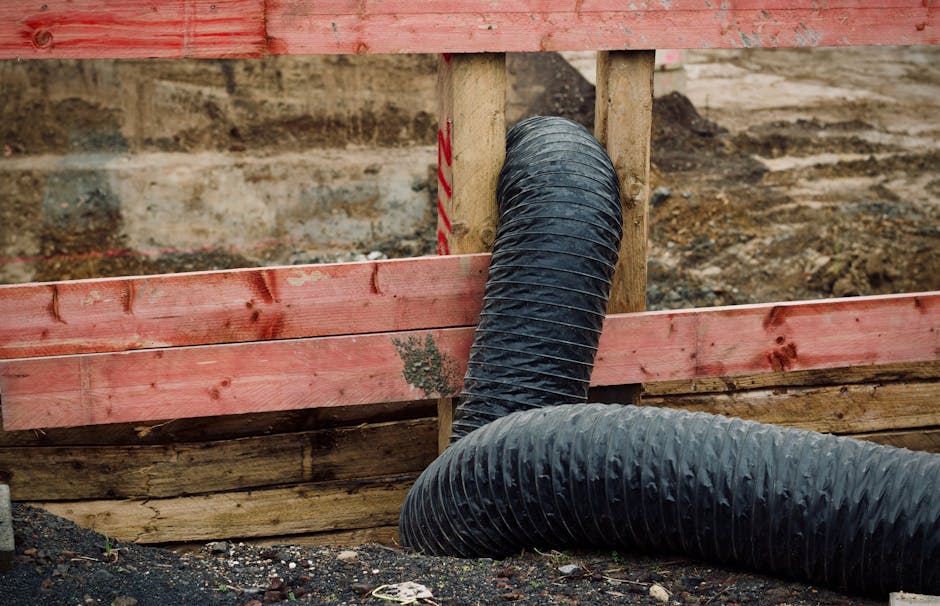
Ductwork rarely fails all at once. It degrades, and these are the symptoms:
- Uneven rooms. The thermostat says 74 but the rooms farthest from the air handler never get there. Crushed, kinked or undersized ducts starve them of airflow.
- Rising bills with a healthy AC. If the equipment checks out but consumption keeps climbing, the air you paid to cool may be leaking into the attic.
- Dust that always comes back. Leaky return ducts pull unfiltered attic air into the system and spread it through the house.
- Humidity and musty smells. Leaks and bare spots let Houston’s humid air condense on the ducts. That moisture is how mold gets started. If the house feels sticky even with the AC running, read why your house is humid with the AC on. Ducts are one of several possible causes.
- Visible damage. Torn jackets, runs lying on the attic floor, tape hanging loose at the connections.
Repair or replace?
| What the inspection finds | Honest recommendation |
|---|---|
| Sound duct, a few leaks at the plenum or boots | Seal with mastic and repair. Don’t replace. |
| One crushed or disconnected run | Replace that run only |
| Brittle jacket, flattened insulation across most runs | Replace |
| Rooms never cooled right, even when the ducts were new | Redesign and replace. The layout was the problem. |
| Mold inside the ducts | Replace the affected sections and fix the moisture source first |
| Ducts fine, but one room still hot | Look at balancing, zoning or the room itself before touching ducts |
The last row matters. Sealing a badly designed system just gives you a tighter version of a bad design. Replacing a well designed one because it is old gives you a big bill and the same comfort. If the issue is one or two rooms on a different floor, zoning may solve it for less.
What a proper replacement involves
- Load calculation and design. Room by room airflow, not a copy of whatever was there before. This step is what fixes the hot back bedroom.
- Removal of the old runs and cleanup of the attic.
- New insulated duct, properly sized trunks and branches, sealed at every connection with mastic, not just tape.
- Supported runs. No sagging, no ducts lying on hot decking, no sharp bends.
- Balancing. Airflow measured at every register and adjusted until the design numbers are met.
In a typical single-story Houston home this is one to two days. Two-story homes vary more. Downstairs ducts may run through the attic and down chases, or between floors, and access is often the biggest variable in the price.
What it costs, and how to compare quotes
For a typical Houston area home, a full duct replacement generally lands somewhere between a few thousand dollars and the low five figures. It depends on the size of the house, attic access, number of runs, and whether the plenums and returns are rebuilt too. Replacing only the downstairs system, like the homeowner above, costs less than the whole house, but access can eat into the savings.
Quotes that look far apart usually aren’t quoting the same job. The cheap one often reuses old plenums, skips the load calculation, or seals with tape that won’t survive five summers in a Houston attic. Ask every contractor, including us:
- Is the design based on a load calculation?
- Are connections sealed with mastic?
- Is balancing included, and will you show me the numbers?
- What is covered on labor, not just materials?
We wrote more about reading the fine print in what your HVAC quote does not tell you.
When not to replace your ducts
- When you are replacing the AC in a year or two anyway. Do them together so the ducts are sized for the new equipment. On systems Koolpro installs, the equipment carries 12 years of manufacturer parts coverage. Labor is separate, and a new system on failing ducts wastes part of what that equipment can do.
- When the real problem is the equipment. A system low on charge or with a dirty coil will feel like a duct problem. Rule it out first.
- When sealing solves it. If the material is sound, mastic and a few repairs are the right answer.
- When nobody has measured anything. A replacement quote without an inspection is a guess.
Pete Christianson summed up what we aim for in his review: “Great service and honest pricing.” On ducts, honest pricing sometimes means telling you not to buy them.
The payoff when it is the right call
Done right, new ductwork shows up in three places: rooms that finally match the thermostat, a quieter system because air isn’t forced through kinks, and a lower bill because the cooling you pay for arrives where you live instead of escaping into the attic. The AC also runs shorter, steadier cycles, which is easier on the equipment.
Frequently asked questions
How long does ductwork last in a Houston attic?
It depends on the material and the install. Flex duct in a hot attic degrades faster than metal duct. Inspect by condition, not by age alone.
Can I replace only the downstairs ducts?
Yes, if the downstairs is served by its own system or its own trunk. It costs less than a whole-house job, though access to downstairs runs can raise the price.
Should I replace ducts when I replace my AC?
If the ducts are failing or undersized, yes. It is the best moment to size them for the new equipment. If they are sound, sealing and balancing may be enough.
Is duct sealing enough?
When the duct material is in good shape and the leaks are at connections, sealing with mastic is often the right and cheaper fix.
If some rooms never cool right, or your ducts have not been looked at since the house was built, request an inspection here or call 713-714-0707. We serve Houston, Katy, Sugar Land and Fort Bend, and we will tell you plainly whether yours need sealing, partial repair or replacement.