The first cold front of the year is when most Houston homeowners find out whether their heat pump works. You switch the thermostat to heat, the air from the vents feels lukewarm, the outdoor unit starts steaming, and it is 45 degrees outside. Before you assume the worst: a heat pump not heating is often a thermostat setting, a tripped breaker or a normal defrost cycle that looks alarming. This guide covers what you can check safely, what is normal, and when to call.
Quick answer: First confirm the thermostat is on Heat (not Cool or Auto), check both breakers, and replace a dirty filter. Air at 90 to 95 degrees feels “not hot” but is normal for a heat pump, and steam with the outdoor fan stopped is usually a defrost cycle. If the outdoor unit stays encased in ice, the air blows cold for more than a few minutes, or a breaker trips again, turn it off and call.
First, is it actually broken?
Most heat pump calls in the first cold week are not failures. They are owners meeting heat pump behavior for the first time, or for the first time since last winter.
The air feels “not hot.” A gas furnace blows air at 120 degrees or more. A heat pump typically delivers something in the 90 to 95 degree range. Hold your hand at the vent and it feels warm, not hot, especially compared with your 98.6-degree skin. If the house is warming up and holding temperature, the system is doing its job.
It runs for a long time. Heat pumps run longer, gentler cycles than furnaces. Long run times on a cold morning are expected, not a sign of trouble.
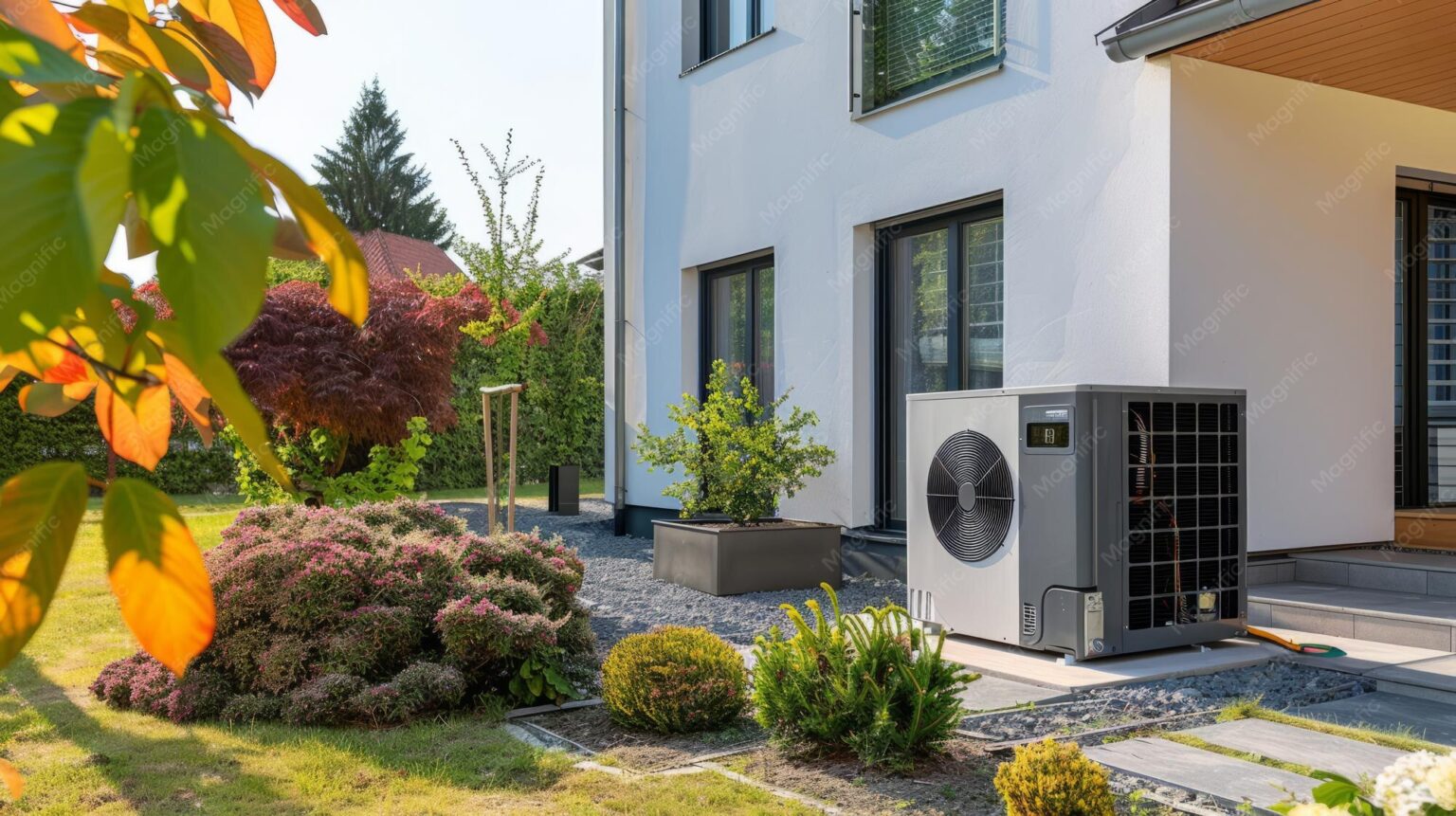
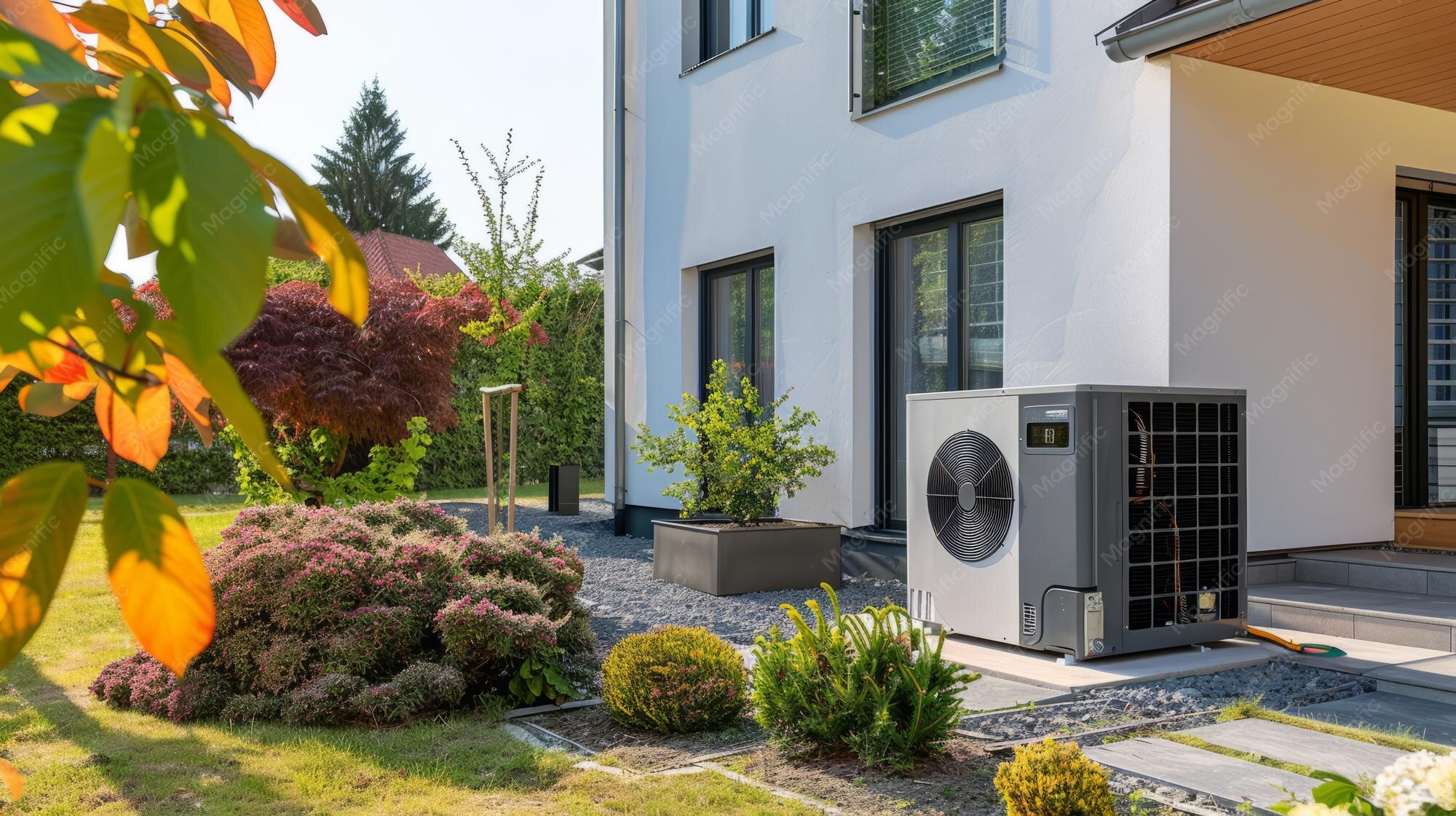
The outdoor unit steams and goes quiet. This is the defrost cycle. When frost builds on the outdoor coil, the system briefly reverses to warm the coil and melt it. During defrost the outdoor fan stops, you may hear a whoosh when the valve switches, and steam rises off the unit. Indoors, the air may feel cooler for a few minutes or the auxiliary heat may kick in to cover the gap. It usually lasts a few minutes and then the fan comes back on.
If you want the bigger question of heat pump or gas furnace for a Houston house, that comparison lives in our heat pump versus furnace guide. This article is about getting the one you have working.
Heat pump not heating: symptoms, likely causes and who fixes it
| What you notice | Most likely cause | You can check | Call a technician if |
|---|---|---|---|
| Nothing runs at all | Thermostat off or dead batteries, tripped breaker | Mode, batteries, both breakers | A breaker trips again after one reset |
| Cold air from the vents | Thermostat on Cool or Auto, defrost in progress, reversing valve | Mode setting; wait 10 minutes for defrost to finish | Cold air continues past defrost |
| Lukewarm air, house slowly warming | Normal heat pump supply temperature | Nothing, this is normal | The house cannot hold the set temperature |
| Steam, outdoor fan stopped | Normal defrost cycle | Watch that the fan restarts | The fan never restarts |
| Outdoor coil solid with ice | Defrost control fault, low refrigerant, fan motor, blocked airflow | Filter, debris around the unit | Ice does not clear within an hour or two |
| “Aux” or “Em heat” always on, high bill | Emergency heat left on, outdoor unit not running | Thermostat setting | The outdoor unit is not running in Heat mode |
What you can check safely, in this order
1. The thermostat
Set it to Heat, not Cool or Auto, and set the temperature a few degrees above the room. Replace the batteries if it has them. On a smart thermostat, check the schedule did not switch you back to summer settings. Wait five minutes: many heat pumps have a built-in delay before the compressor starts.
2. Emergency heat versus auxiliary heat
These are not the same. Auxiliary heat turns on automatically to help the heat pump during defrost or when the house is far below the setpoint. Seeing “Aux” for a while on a cold morning is normal. Emergency heat is a manual setting that shuts the heat pump off and runs only the electric heat strips. It is meant for when the outdoor unit has failed. Leave it on by accident and you get heat, just at a much higher cost. If your thermostat says “Em heat” and you did not choose it, switch it back to Heat.
3. The breakers
A heat pump usually has at least two circuits: one for the outdoor unit and one for the air handler and heat strips. Check both in the panel. If one tripped, reset it once. If it trips again, leave it off. A breaker that keeps tripping is telling you something, and resetting it repeatedly can damage the compressor.
4. The filter and the outdoor unit
A clogged filter starves the system of airflow, and a heat pump with weak airflow heats poorly and can trip on high pressure. Outside, clear leaves and anything stacked against the unit. Do not cover it with a tarp for winter. A heat pump needs to breathe to heat.
If the coil is iced solid, do not chip at it with anything. The fins and the refrigerant tubes behind them are thin, and one puncture turns a service call into a coil replacement.
When it is a real repair
Reversing valve. The valve that switches the system between heating and cooling. If you get cold air in Heat mode long after any defrost cycle, or the system heats but will not cool in spring, the valve or its solenoid is a suspect. This is a technician job.
Defrost controls. A failed sensor or defrost board lets ice build until the unit stops heating. Houston’s damp winter air makes frost build fast, so a defrost problem shows up quickly here.
Low refrigerant. A heat pump does not use up refrigerant. If it is low, it is leaking. A system that is only recharged without finding the leak will be low again, and in heating mode a low charge shows up as weak heat and icing.
A case from this year
A customer of ours in Fayetteville called a year after a heat pump repair: the same leak was back. She asked for the same technician. That request was smart, and it is the lesson of this section. Leaks come back, especially on older coils and brazed joints. The technician who worked on your system knows where they looked, what they found and what was repaired. If your heat pump has a history of leaks, ask for the leak location in writing, keep the invoice and, when possible, ask for the same tech. It saves diagnostic time and gets you a straight answer on whether the repair is holding or whether it is time to talk about the coil.
Freeze prep before the first real cold snap
Houston does not get many hard freezes, but when one comes it tends to arrive with little warning, and February 2021 showed what happens when power and heat fail together. Before the season:
- Clear the area around the outdoor unit and keep it uncovered.
- Replace the filter and test the heat on a mild day, not the night of the freeze.
- Learn where your thermostat’s Emergency heat setting is, so you use it only if the outdoor unit fails.
- If a cold front is forecast and the heat pump already sounds wrong, call before it hits. Every company is booked the day after.
The easiest way to avoid a first-front surprise is a fall visit that checks the reversing valve, defrost controls and heat strips. We list every point in our fall HVAC tune-up checklist.
Repair or replace an aging heat pump?
A single repair on a heat pump in good shape is almost always worth doing. Do not let a no-heat call turn into a replacement pitch unless the technician can show you why: a failed compressor on an old unit, repeated leaks in the coil, or parts that are no longer available. Get the diagnosis in writing, with readings.
If you do end up replacing, a modern heat pump installed by us carries 12 years of manufacturer parts coverage. Labor is separate, and we say so up front. Whether your winter electric bill is normal is its own question, and we will cover it in November.
Frequently asked questions
Why is my heat pump blowing cold air?
Check the thermostat is on Heat. If it is, the system may be in a defrost cycle, which lasts a few minutes. Cold air that continues after that points to a reversing valve, defrost or refrigerant problem.
Is it normal for my heat pump to steam in winter?
Yes. Steam with the outdoor fan stopped is the defrost cycle melting frost off the coil. It should end within a few minutes and the fan should restart.
Should I use emergency heat when it gets cold?
Only if the outdoor unit has failed. Emergency heat runs only the electric strips and costs much more. Auxiliary heat turns on by itself when needed.
Why does the air from my heat pump feel lukewarm?
Heat pumps typically deliver air around 90 to 95 degrees, which feels warm rather than hot. If the house reaches and holds the set temperature, it is working normally.
Heat pump still not heating after these checks? Schedule a heating diagnosis or call 713-714-0707. We serve Houston, Katy, Sugar Land and Fort Bend.