Most HVAC systems don’t fail overnight.
They warn you first.
The problem?
Most homeowners ignore the warnings — until the system dies on the hottest or coldest day of the year. That’s when a $150 fix turns into a $3,000 emergency.
This guide shows you the early warning signs your AC needs repair, what they usually mean, and when to act so you stay in control — not stuck making rushed decisions.

Why Small HVAC Problems Get Expensive Fast
Here’s the uncomfortable truth most people learn too late:
HVAC failures are rarely sudden.
They’re neglected.
A small refrigerant leak, a clogged drain line, or a struggling capacitor forces your system to work harder. That extra strain doesn’t just reduce comfort — it damages expensive components like the compressor, which is one of the most costly parts to replace.
Think of it like driving a car with low oil.
It runs… until it doesn’t.
And when HVAC systems fail, they don’t fail politely.
They fail:
- During a heatwave
- On weekends
- When every other homeowner is calling for help too
That’s how minor issues turn into emergency replacements.
1. Your AC Is Blowing Warm or Weak Air
This is one of the earliest and most ignored warning signs.
If your system is running but the air feels:
- Lukewarm
- Weak
- Inconsistent from room to room
Something is already off.
Common causes:
- Low refrigerant levels
- Dirty evaporator coils
- Airflow restrictions
- Early compressor stress
Many homeowners assume, “It just needs time.”
It doesn’t.
When airflow drops, the system runs longer cycles, overheating internal components and accelerating wear.
Early fix: simple airflow correction or refrigerant adjustment
Late fix: compressor damage or full system failure
2. Refrigerant Leak Signs You Should Never Ignore
Refrigerant doesn’t get “used up.”
If levels are low, there’s a leak.
Watch for these refrigerant leak signs:
- AC runs longer but cools less
- Ice forming on refrigerant lines
- Hissing or bubbling sounds
- Rising energy bills with no usage change
Leaks don’t just hurt performance — they stress the compressor. And once a compressor overheats repeatedly, replacement is often the only option.
That’s where the $3,000 bill usually comes from.
Early repair: locate and seal leak
Delayed repair: compressor replacement or system change-out
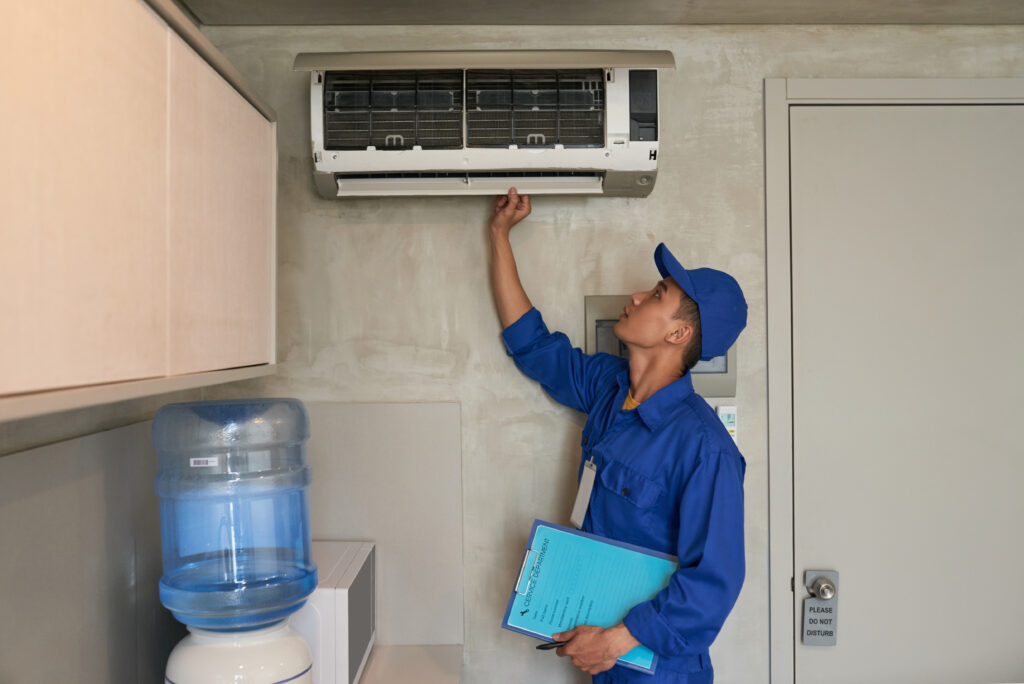
3. Strange Noises: Your System Is Talking to You
Your HVAC system should not sound dramatic.
If you hear:
- Grinding
- Screeching
- Banging
- Clicking when starting
Those aren’t “normal aging sounds.”
They often point to:
- Loose or failing components
- Motor issues
- Electrical problems
- Compressor strain
An AC making noise is usually asking for help — not attention later.
Ignoring these sounds often turns a $200 repair into a four-figure replacement.
4. Short Cycling (Turning On and Off Repeatedly)
Short cycling is one of the most damaging behaviors an HVAC system can exhibit.
If your AC:
- Turns on
- Runs briefly
- Shuts off
- Repeats constantly
It’s under stress.
Common causes:
- Electrical issues
- Thermostat problems
- Refrigerant imbalance
- Oversized or struggling system
Short cycling overheats components, spikes energy usage, and dramatically shortens system lifespan.
This is one of the clearest signs your AC needs repair — now, not later.
5. Rising Energy Bills With No Lifestyle Changes
Energy bills don’t rise randomly.
If your usage hasn’t changed but costs have climbed, your HVAC system is likely compensating for inefficiency.
That inefficiency usually comes from:
- Dirty coils
- Low refrigerant
- Airflow blockages
- Aging electrical components
The system works harder to maintain comfort — and that extra effort compounds damage internally.
Small inefficiencies today become major failures tomorrow.
6. Moisture, Leaks, or Musty Smells
Water where it shouldn’t be is never good news.
Early signs include:
- Water pooling near the unit
- Clogged drain lines
- Musty odors
- Increased indoor humidity
Left untreated, these issues can:
- Damage ceilings or walls
- Promote mold growth
- Affect indoor air quality
They also signal that internal components may already be compromised.
Why Waiting Costs More Than Acting Early
Here’s the mistake most homeowners make:
They wait for certainty.
They want the system to “fully break” before calling. But HVAC repairs don’t get cheaper with confirmation — they get more expensive.
Early diagnosis gives you:
- Time to plan
- Repair vs. replace clarity
- Multiple quote options
- Control over timing
Emergency failures remove all of that.
You don’t choose the moment.
You accept the invoice.
Maintenance Plans Aren’t About Selling — They’re About Control
A proper HVAC maintenance plan isn’t a sales tool.
It’s a risk management strategy.
Routine inspections catch:
- Small refrigerant leaks
- Electrical wear
- Drain blockages
- Early compressor stress
Before they escalate.
Homeowners who maintain their systems rarely face emergency replacements. Not because their systems are perfect — but because problems are handled while they’re still manageable.

When Should You Request a Professional Diagnosis?
You don’t need to wait for multiple symptoms.
If you notice any of the following, it’s time:
- Reduced cooling
- Unusual noises
- Short cycling
- Rising bills
- Moisture or odors
A professional diagnosis doesn’t force a decision.
It gives you information.
And information is what prevents panic spending.
The Bottom Line
HVAC systems don’t fail silently.
They warn you — repeatedly.
The difference between a $150 fix and a $3,000 bill is usually timing, not luck.
Spotting problems early keeps you in control, protects your comfort, and lets you decide on your terms — not during a heatwave with a technician waiting at your door.
Want Peace of Mind Before Problems Get Expensive?
If your system is showing early warning signs — or you just want clarity — request a no-obligation HVAC diagnostic today.
We’ll inspect your system, document what we find, and explain your options clearly — so small problems stay small.
👉 Request your HVAC diagnostic today and avoid emergency decisions later.