Some of the most confident advice about air conditioning is also the most expensive. These are the ones we spend the most time undoing in Houston homes.
Myth: turn it way down and the house cools faster
It does not. An air conditioner has one speed, and setting it to 65 does not make it reach 75 any quicker. All it does is overshoot, so the system runs longer than it needed to and the house ends up colder than you wanted.
This one is worth knowing because it costs money in both directions: you pay to overcool, and then you pay again when the house has to come back up.
Myth: shutting it off all day saves the most
This is the one that surprises people. Turning the system completely off while you are out, then dropping the thermostat far down when you get home, is not a saving in a Houston summer.
Two things go wrong. The house does not just get warm, it takes on moisture all day. Now the system has to remove the heat and everything the humidity brought in, which takes far longer and works the equipment far harder than simply holding a steady setting would have.
And that hard cycling is not free. Systems that get pushed from a large gap every single afternoon wear out measurably faster than systems that hold a steady temperature. You save a little on the bill and pay for it in years off the equipment.
Setting back a few degrees while you are out is sensible. Turning it off is not.
Myth: a bigger unit is a better unit
Oversizing is one of the most common mistakes in HVAC, and it feels like the safe choice, which is why it keeps happening.
An oversized system cools the air quickly, hits the target, and shuts off. It never runs long enough to pull real moisture out, because dehumidification happens over time and not at the moment the temperature is reached. The result is a house that is cold and clammy at once, with the system short cycling on and off all day.
Short cycling is also the fastest way to wear out a compressor. This is why a load calculation matters more than a rule of thumb, and why an honest contractor sometimes quotes you a smaller system than the one you are replacing.
Myth: closing vents in unused rooms saves money
Your system was designed to push a specific volume of air through a specific amount of duct. Closing vents does not reduce what it produces, it just raises the pressure in the ducts, which increases leakage and strains the blower.
The actual way to stop conditioning rooms nobody is in is zoning, which shuts off airflow at the source and tells the system to produce less, rather than forcing the same air through a smaller opening.
Myth: you only need maintenance when something is wrong
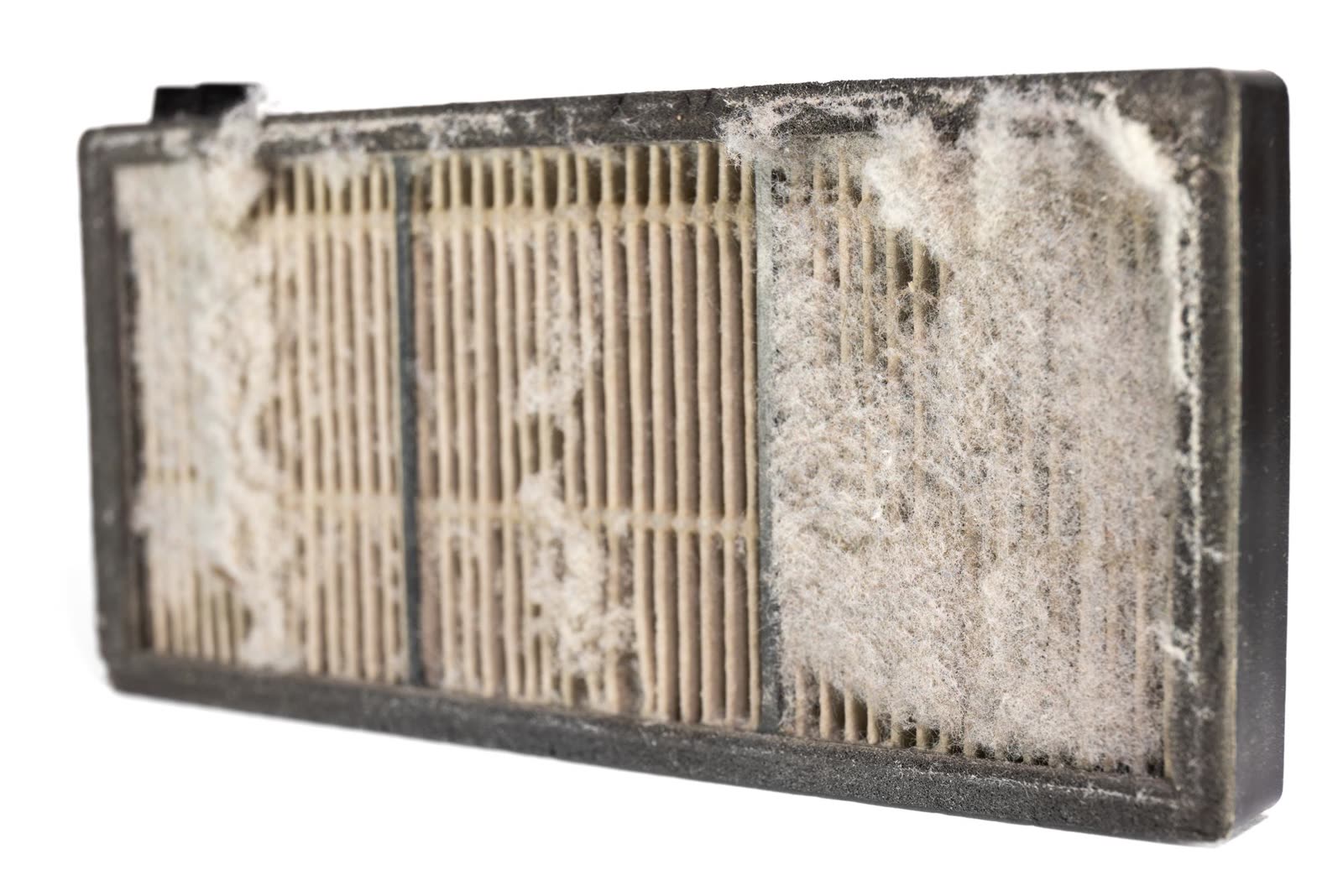
By the time you notice a problem, the part that caused it has usually been under stress for a while. A dirty coil does not announce itself, it just quietly raises your bill and your run times for months.
The gap between a system that reaches twelve to fifteen years and one that dies at eight is almost entirely maintenance. It is the cheapest thing on this page and the one people skip first.
Myth: humidity is just a summer annoyance
In Houston, humidity is the comfort problem, and treating it as cosmetic is what leads people to overcool. If the house reads a comfortable number and still feels awful, more cooling is not the answer. Humidity control is.
Handled properly, most households end up raising the thermostat two or three degrees and feeling better, which is where the real saving on the bill comes from.
What actually lowers the bill
- A steady setting rather than big daily swings
- Correct sizing, confirmed by a load calculation and not by matching the old unit
- Humidity under control, so comfort arrives at a higher temperature
- Ductwork that is sealed and correctly sized
- Filters changed on schedule
- Zoning, so you stop paying to condition empty rooms
- Rebates you qualify for and may not know about
Want to know which of these applies to your house? Call 713 714 0707 or request an estimate. Licensed and insured in Texas, Lic # TACLB29866.