
A new air conditioner can look impressive on a proposal and still leave a Houston home feeling sticky, uneven, or expensive to cool. The difference often comes down to HVAC load calculations. Before selecting equipment, a qualified contractor needs to determine how much heating and cooling your specific space actually requires – not rely on the size of the system that was there before.
That step matters in Houston, where long cooling seasons, intense sun, high outdoor humidity, and frequent door traffic in commercial spaces all affect comfort. A properly calculated system is designed around the building, the people using it, and the way it operates. It is not a guess based on square footage alone.
What HVAC Load Calculations Measure
An HVAC load calculation estimates the amount of heat a building gains in warm weather and loses during colder weather. For cooling, it also evaluates moisture removal. The result helps determine the capacity needed from an air conditioner, heat pump, ductless system, or commercial VRF system.
Capacity is commonly described in BTUs per hour or tons. One ton of cooling equals 12,000 BTUs per hour, but that does not mean every 2,000-square-foot house needs the same number of tons. Two homes with the same floor plan can have very different loads if one has older windows, poor attic insulation, west-facing glass, or leaky ductwork.
A professional residential assessment generally follows ACCA Manual J principles. After the load is established, Manual S helps match equipment performance to the result, while Manual D is used to design or evaluate ductwork. For commercial projects, the process can involve more detailed engineering, ventilation requirements, occupancy schedules, kitchen equipment, and zone-by-zone analysis.
Why Square Footage Is Not Enough in Houston
Square footage is a starting point, not a system design. Rules of thumb can be useful for a rough conversation, but they can lead to oversized or undersized equipment when used as the final answer.
Houston homes face a combination of high sensible heat and high latent heat. Sensible heat is the temperature you feel. Latent heat is moisture in the air. Your system must handle both. A home with a large family, frequent cooking, sun-facing rooms, and aging insulation may need a different solution than a similarly sized home that is tightly sealed and shaded by mature trees.
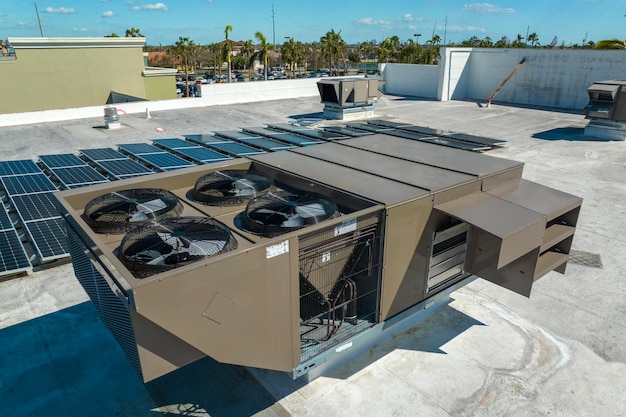
Commercial properties add another layer. A restaurant can generate major internal heat from cooking equipment, refrigeration, lighting, and a busy dining room. An office may have changing occupancy, computer loads, conference rooms, and areas that receive very different sun exposure. In these settings, a single oversized rooftop unit may not deliver the control that zoning or VRF equipment can provide.
The goal is not to install the biggest available system. It is to select equipment that can maintain comfort during demanding conditions while running efficiently through the many hours when Houston weather is hot but not at its peak.
What Goes Into an Accurate Calculation
A reliable calculation begins with measurements and building details, not just a quick look at the existing outdoor unit. The contractor should evaluate the conditioned space room by room, particularly when certain rooms are consistently warmer, additions have been built, or the layout has changed.
Key inputs typically include:
- The home or building’s square footage, ceiling heights, layout, and orientation
- Insulation levels in walls, ceilings, floors, and attic spaces
- Window size, direction, glass type, shading, and exterior doors
- Air leakage around doors, windows, penetrations, and attic access points
- Number of occupants, lighting, appliances, and heat-producing equipment
- Duct location, duct condition, ventilation needs, and desired indoor humidity
These inputs reveal why a bedroom over the garage may stay warm, why an open kitchen feels humid after dinner, or why a storefront struggles every time the front door opens. They also provide a basis for discussing practical fixes beyond equipment size, such as attic insulation, duct repairs, air sealing, zoning, or a whole-home dehumidifier.
The Cost of an Oversized or Undersized System
An oversized AC may cool the thermostat area quickly, then shut off before it has removed enough moisture. This short cycling can leave rooms clammy, create uneven temperatures, increase wear on components, and make the equipment less efficient than expected. Larger equipment also costs more upfront, so oversizing is not extra protection – it can be an expensive compromise.
An undersized system has the opposite problem. It may run for long periods during peak heat and still fail to reach the desired temperature. That can raise energy use and put unnecessary stress on the system. However, a properly designed system does not always need to hold an extreme indoor temperature during every rare weather event. Good design accounts for local design conditions, realistic thermostat settings, and the building’s actual use.
The right answer sometimes includes a system replacement, but not always. If the existing equipment is mechanically sound yet comfort is uneven, duct improvements, targeted zoning, a ductless unit for a difficult room, or humidity control may offer a better return than simply increasing capacity.
Load Calculations and Humidity Control
Houston comfort is closely tied to humidity. Indoor temperature can be 72 degrees, but if humidity remains high, the space may still feel warm and uncomfortable. Moisture also affects indoor air quality, encourages mold growth in the wrong conditions, and can make a property feel stale.
Load calculations identify the latent cooling load, which helps guide equipment selection and system setup. This is especially relevant for variable-speed systems, heat pumps, ductless mini-splits, and VRF systems that can operate at lower capacities for longer periods. Longer, steadier operation can improve dehumidification when the equipment and controls are selected correctly.
A whole-home dehumidifier may be worthwhile when the cooling system alone cannot maintain the humidity level you want, particularly in tightly sealed homes, homes with high occupancy, or properties with moisture concerns. It depends on the building, the equipment, and how the space is used. A calculation creates the foundation for an informed recommendation rather than a one-size-fits-all upsell.
When You Need New HVAC Load Calculations
A calculation is strongly recommended before installing new heating and cooling equipment. It is also wise when a home has been remodeled, an attic converted, windows replaced, insulation upgraded, or an addition built. Each change can alter the load enough to affect the right equipment size.
For businesses, revisit the calculation when tenant use changes, a restaurant adds cooking equipment, a retail space is reconfigured, or occupancy rises. A building that once housed a quiet office may need a very different HVAC strategy as a medical practice, gym, salon, or food-service operation.
If your current system runs constantly, cools unevenly, struggles with humidity, or has a history of repeat repairs, the load calculation should be part of the diagnostic process. Replacing like for like may repeat the same comfort problem for another decade or more.
From Calculation to the Right System Design
The calculation is the beginning of the design process, not a number to file away. A qualified contractor should use it to explain equipment options in plain language: conventional central air, high-efficiency heat pumps, ductless units for individual rooms, zoning for different areas, or VRF solutions for multi-zone commercial properties.
For example, a Houston homeowner may benefit from a variable-speed system paired with duct repairs and improved attic insulation. A commercial building may be better served by VRF zoning with dedicated outdoor air ventilation, allowing separate temperature control without wasting energy on unoccupied areas. Budget, building constraints, maintenance expectations, rebates, and long-term operating costs all belong in the decision.
Koolpro approaches this work as a comfort and efficiency investment. The recommendation should account for installation quality, airflow, controls, warranty protection, and the value of a system that performs reliably through Houston’s toughest weather.
Before approving a replacement, ask how the system size was determined and whether the contractor evaluated ducts, insulation, humidity, and room-by-room needs. Those questions help turn an equipment purchase into a solution built for the way your property actually lives or works.