
If you’re researching a new HVAC system in the Houston area, you’ve probably run into this question:
Mini-split or central air?
Both systems can cool your home — but they solve very different problems. Choosing the wrong one doesn’t just affect comfort. It can impact energy costs, indoor air quality, future repairs, and even resale value.
This guide breaks down the real pros and cons of ductless mini-splits vs. central HVAC systems — specifically for Houston-area homes, heat, and humidity.
No sales pitch. Just clarity.
What’s the Real Difference?
Before comparing, let’s simplify.
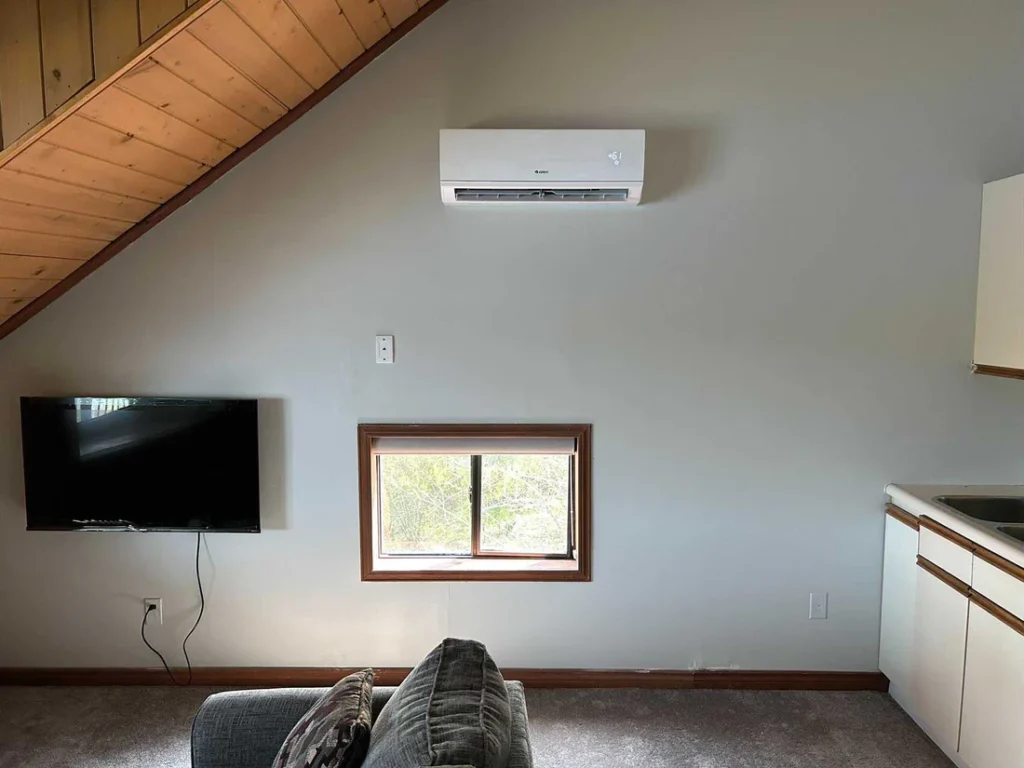
Mini-split systems are ductless. Each room or zone has its own indoor unit connected to an outdoor condenser.
Central HVAC systems use ductwork to cool the entire home from a single system.
Neither is “better” by default. The right choice depends on how your home is built and used.
Mini-Split Systems: Pros & Cons
When Mini-Splits Make Sense
Mini-splits work best in specific situations.
They’re often a good option if:
- Your home doesn’t have existing ductwork
- You’re cooling an addition, garage conversion, or home office
- You want independent temperature control in individual rooms
- You need a less invasive installation
Because there are no ducts, installation can be faster and less disruptive — especially in older homes where adding ducts would be costly.
They’re also very efficient for the spaces they serve.
Where Mini-Splits Fall Short (Especially in Houston)
This is where many comparison articles oversimplify.
Humidity control
Houston isn’t just hot — it’s humid. Mini-splits can struggle with whole-home moisture control, especially in larger houses.
Indoor air quality
Without ducts, mini-splits:
- Don’t circulate air throughout the entire home
- Offer limited filtration options
- Are less effective at managing allergens and odors
Aesthetics and resale
Wall-mounted indoor units aren’t always visually appealing. In larger homes, buyers often expect a central system.
Scaling costs
Cooling one or two rooms is affordable. Cooling an entire home with multiple units can become expensive quickly.

Central HVAC Systems: Pros & Cons
Why Central Air Is Still the Standard in Houston
Central HVAC systems are designed for whole-home comfort, which matters in this climate.
They offer:
- Consistent temperatures across all rooms
- Strong humidity control
- Better indoor air quality through centralized filtration
- Clean aesthetics with hidden components
For medium to large homes, central air typically delivers more stable comfort during extreme heat.
When Central HVAC Isn’t the Best Fit
Central systems aren’t ideal in every scenario.
Potential downsides include:
- Higher upfront installation cost
- Ductwork issues in older homes
- Less room-by-room temperature control unless zoning is added
If ducts are poorly designed or leaking, performance suffers — which is why inspections matter before replacement.
Mini-Split vs. Central HVAC: Side-by-Side Comparison
| Feature | Mini-Split | Central HVAC |
|---|---|---|
| Installation | Less invasive | More involved |
| Best for | Additions, ductless homes | Whole-house cooling |
| Humidity control | Moderate | Strong |
| Indoor air quality | Limited | Better |
| Aesthetics | Visible units | Hidden |
| Scalability | Gets expensive | Designed for it |
| Resale appeal | Situational | Generally higher |

Which Is Better for Older Homes in Houston?
This is where many homeowners get stuck.
Older homes without ductwork
Mini-splits can be a practical solution without major remodeling.
Older homes with existing ducts
Duct condition matters more than system type. Sealing or upgrading ducts can dramatically improve comfort.
The biggest mistake is choosing a system before understanding airflow, insulation, and humidity behavior in the home.
Energy Efficiency: What Homeowners Often Miss
Mini-splits are often described as “more efficient.”
That’s true per zone, but efficiency depends on:
- How many rooms you cool
- How often the system runs
- How well humidity is managed
In Houston, systems that run longer, steady cycles often feel more comfortable than systems that cycle on and off quickly — even if the latter look efficient on paper.
Comfort isn’t just temperature. It’s moisture, airflow, and consistency.
Cost Comparison (High-Level)
Costs vary, but here’s a realistic way to think about it:
Mini-splits
- Lower cost for small spaces
- Higher total cost when covering entire homes
Central HVAC
- Higher upfront replacement cost
- Often better long-term value for larger homes
The real risk isn’t price — it’s choosing a system that doesn’t match how your home actually behaves.
How to Choose Before Requesting Quotes
Before comparing bids, ask yourself:
- Does my home already have ducts? In what condition?
- How important is whole-home air quality?
- Do we use every room daily?
- Is humidity a major concern?
- Are we planning to sell in the next few years?
These answers matter more than brand or system type.
Mini-Split vs. Central HVAC: The Bottom Line
There’s no universal winner.
Mini-splits excel in targeted, ductless scenarios.
Central HVAC systems dominate whole-home comfort in Houston’s climate.
The best choice is the one that fits your home and lifestyle, not a trend or a sales script.

Want Help Choosing the Right System?
If you’re comparing mini-split vs. central air and want clarity before requesting quotes, we can help.
Our system evaluations look at:
- Home layout
- Existing ductwork
- Humidity and airflow
- Long-term comfort goals
So when you do move forward, you’re confident — not guessing.
👉 View our HVAC system selection guide and prepare for a smarter estimate.