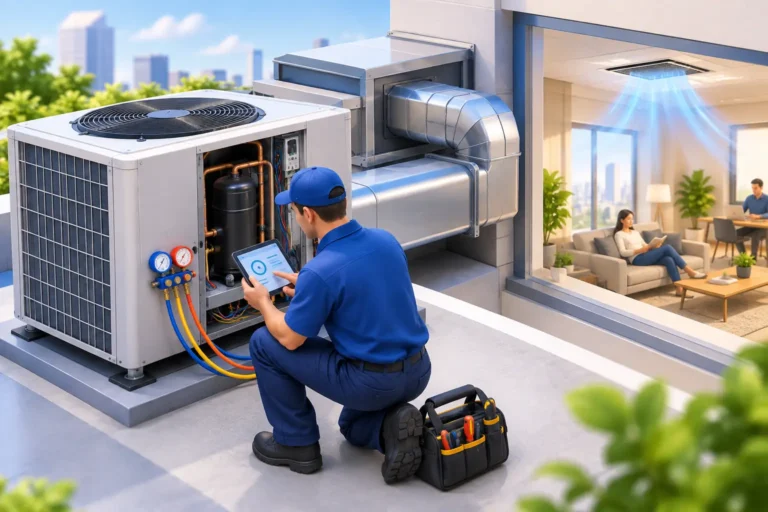
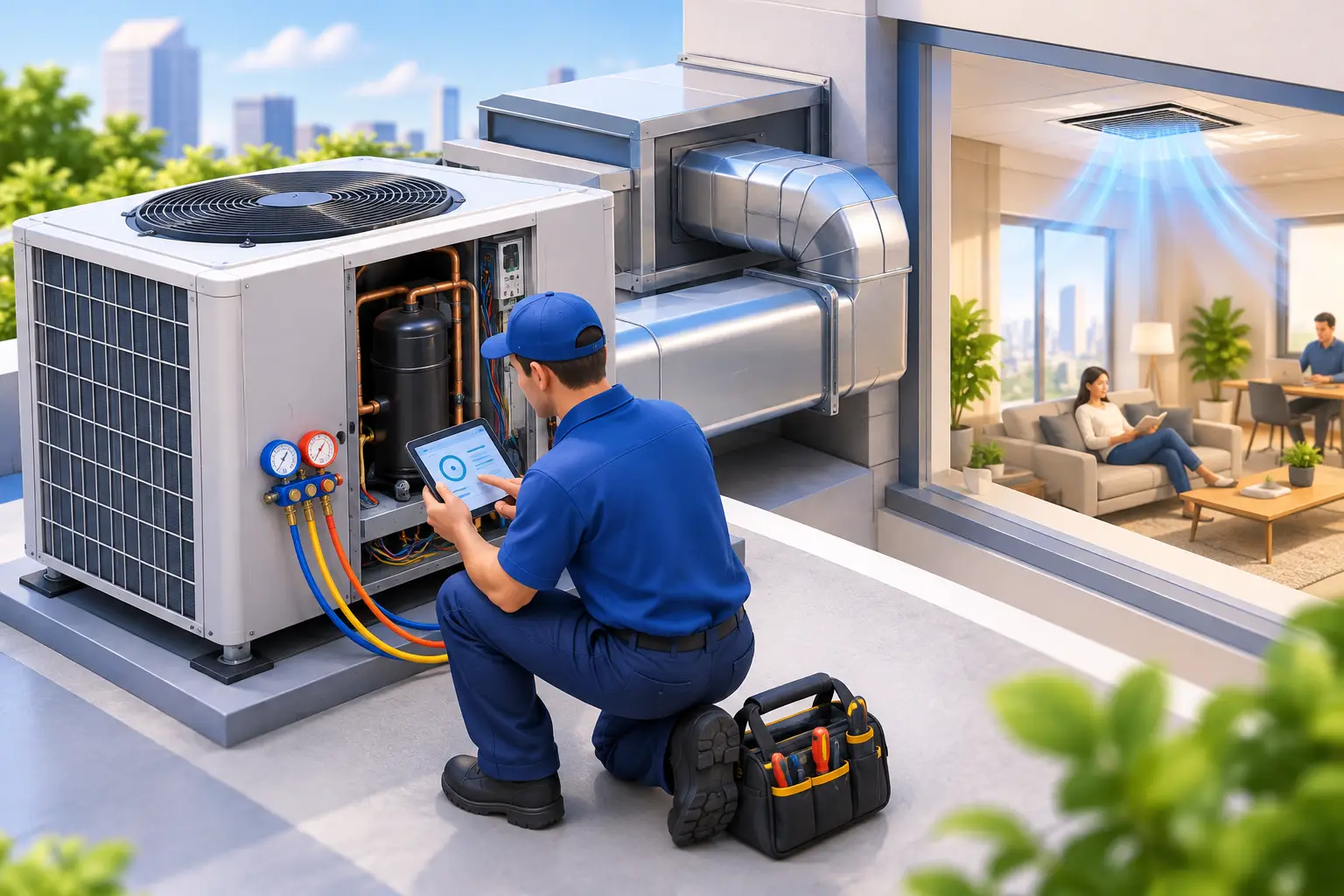
A new air-conditioning system can look perfect on installation day and still leave a Houston home feeling sticky, uneven, or more expensive to cool than expected. HVAC commissioning is the process that catches those issues before they become your everyday reality. It confirms that the equipment, ductwork, controls, drainage, and airflow are working together as the system was designed to work.
For homeowners, commissioning helps protect a major comfort investment. For commercial properties, it helps prevent tenant complaints, kitchen heat issues, unnecessary energy use, and disruptions that can affect business operations. It is not an extra box to check. It is how a professional installation becomes dependable year-round performance.
What HVAC Commissioning Actually Means
HVAC commissioning is a structured process of inspecting, testing, adjusting, and documenting a heating and cooling system after installation or during a significant upgrade. The goal is simple: verify that the installed system delivers the capacity, airflow, temperature control, ventilation, and efficiency promised by its design.
A basic startup may confirm that an air conditioner turns on, produces cool air, and does not show an immediate fault code. Commissioning goes further. A technician measures operating conditions, checks installation details, verifies safety controls, and makes adjustments based on real system performance.
That distinction matters in Houston. High outdoor temperatures and long cooling seasons put every part of an HVAC system under pressure. Humidity adds another variable. A system that is oversized, poorly drained, short-cycling, or moving the wrong amount of air may cool the thermostat area while failing to keep the rest of the property comfortable and dry.
Why Commissioning Matters in Houston’s Climate
Comfort is more than the number on the thermostat. In a hot, humid climate, it depends on how well the system removes moisture, distributes conditioned air, manages fresh-air needs, and responds to changing loads throughout the day.
Improper airflow is one of the most common reasons a new system underperforms. Too little airflow can reduce capacity, cause coil issues, and strain equipment. Too much airflow can limit dehumidification, leaving a home cool but clammy. Commissioning gives technicians the measurements needed to find the right balance rather than relying on assumptions.
Drainage deserves the same attention. Condensate is a normal part of cooling in Houston, but a poorly sloped drain, missing safety switch, or unprotected drain line can lead to water damage and shutdowns. During commissioning, the condensate system should be tested so problems are found before they reach a ceiling, closet, or mechanical room floor.
For businesses, the stakes can be higher. Restaurants and commercial kitchens need cooling and ventilation that can keep up with heat-producing equipment, occupancy, and changing operating hours. Offices, retail spaces, and multi-tenant properties need dependable comfort without wasting energy in low-use areas. Proper commissioning confirms that equipment and controls are serving the actual building, not just operating on paper.
What a Professional Commissioning Visit Checks
The exact scope depends on the system. A single-family home with a conventional split system needs a different process than a commercial VRF installation, ductless multi-zone system, or property with dedicated outdoor air equipment. Still, a thorough visit generally focuses on several connected areas.
Equipment installation and refrigerant performance
Technicians inspect the outdoor and indoor units for proper placement, electrical connections, clearances, secure mounting, and accessible service points. They verify refrigerant charge using manufacturer procedures and operating measurements, not guesswork. Incorrect charge can affect efficiency, capacity, compressor life, and humidity removal.
The team also checks electrical components, disconnects, breaker sizing, voltage, and safety devices. These details are easy to overlook once equipment is running, yet they help protect both performance and long-term reliability.
Airflow, ductwork, and room-by-room comfort
A properly sized system cannot compensate for major duct leakage, restricted returns, poor supply placement, or incorrectly configured blower settings. Commissioning includes checking static pressure, airflow settings, filter installation, and obvious duct concerns that may limit performance.
In a home, this can reveal why a second-floor bedroom stays warm or why one side of the house feels different from another. In a commercial setting, it can expose pressure and distribution problems that affect occupied zones, offices, dining areas, or equipment rooms.
Some issues require additional work, such as duct modifications or zoning adjustments. That is not a failure of commissioning. It is the value of commissioning: identifying the real cause before the property owner spends money on the wrong solution.
Thermostats, controls, and zoning
Modern HVAC controls can deliver major comfort and efficiency benefits, but only when they are configured correctly. During commissioning, technicians verify thermostat operation, temperature settings, staging, schedules, communication between components, and zone response where applicable.
For ductless and VRF systems, this process can include confirming that each indoor unit responds properly, modes are coordinated, condensate drains correctly, and control logic fits how the building is used. A restaurant may need different settings for dining, kitchen-adjacent areas, and offices. A home office may need comfort during daytime hours without forcing the entire house to run harder.
Ventilation, filtration, and humidity
Ventilation and indoor air quality should be considered alongside cooling performance. Too little outside air can make occupied commercial spaces feel stale. Too much unconditioned outside air can increase humidity and cooling costs. The right approach depends on building use, occupancy, local requirements, and the installed equipment.
Commissioning checks that ventilation components, dampers, filtration, and humidity-related equipment are operating as intended. If a whole-home dehumidifier or dedicated outdoor air system is part of the design, it should be tested with the rest of the HVAC system, not treated as a separate accessory.
Commissioning Is Especially Important After Replacement
Replacing an older system creates an opportunity to correct problems that may have been hidden for years. The old equipment may have been oversized, undersized, improperly ducted, or compensating for building changes such as an addition, new windows, altered occupancy, or kitchen upgrades.
The right replacement starts with a thoughtful recommendation based on the property. Commissioning completes that process by confirming the installed result. It helps answer practical questions: Is the system reaching setpoint without excessive cycling? Is it controlling humidity? Are all occupied spaces receiving appropriate airflow? Are the controls easy for the owner or facilities team to use?
There are trade-offs to consider. A high-efficiency variable-speed system may require more detailed setup than a basic single-stage unit. A zoning system can improve comfort in homes with uneven temperatures, but it needs careful design and airflow management. Commercial VRF systems offer flexible zone control and strong efficiency potential, but their controls, refrigerant piping, and commissioning requirements demand experienced technicians.
The more advanced the equipment, the less room there is for a rushed handoff.
When Should You Request HVAC Commissioning?
Commissioning is most valuable after a new installation, major replacement, renovation, or commercial build-out. It also makes sense when a recently installed system has recurring comfort complaints, high utility bills, moisture concerns, unusual noise, or frequent service calls.
For an existing system, a maintenance visit may identify whether a more detailed performance evaluation is warranted. Seasonal maintenance keeps equipment clean and inspected. Commissioning is a deeper verification of how the complete system performs under operating conditions.
Property managers may also benefit from commissioning after tenant improvements or changes in building use. A space that was once lightly occupied may now have more people, more electronics, different operating hours, or heat-producing equipment that changes the HVAC load entirely.
What You Should Receive at the End
A professional process should leave you with more than a verbal assurance that everything is fine. You should understand what was tested, what adjustments were made, any limitations found, and what actions are recommended next.
For larger commercial projects, documentation may include equipment data, functional test results, control sequences, identified deficiencies, and training for the operations team. For homeowners, the handoff should include thermostat guidance, filter recommendations, maintenance expectations, warranty information, and straightforward answers about how the system should perform.
Koolpro approaches commissioning as part of protecting the comfort, efficiency, and workmanship behind an installation, not as a rushed final visit. A system should be ready for the way you live or operate, not merely ready to turn on.
If your new or existing HVAC equipment is not keeping the property consistently cool, dry, and comfortable, ask for performance checks that go beyond a quick startup. The right measurements and adjustments today can spare you from paying for discomfort through another Houston summer.