Your thermostat says the system is on. You can hear the indoor unit moving air. Yet the house feels warmer by the hour. When an AC not cooling but running problem shows up during a Houston summer, it is more than an inconvenience. A system that keeps operating without lowering indoor temperature can waste energy, add wear to critical components, and leave humidity climbing right along with the heat.
Some causes are simple enough to check safely. Others involve electrical components, refrigerant, airflow measurements, or equipment that should only be handled by a licensed HVAC technician. The key is knowing where to start and when continuing to run the system can make the repair more expensive.
Why Is Your AC Not Cooling but Running?
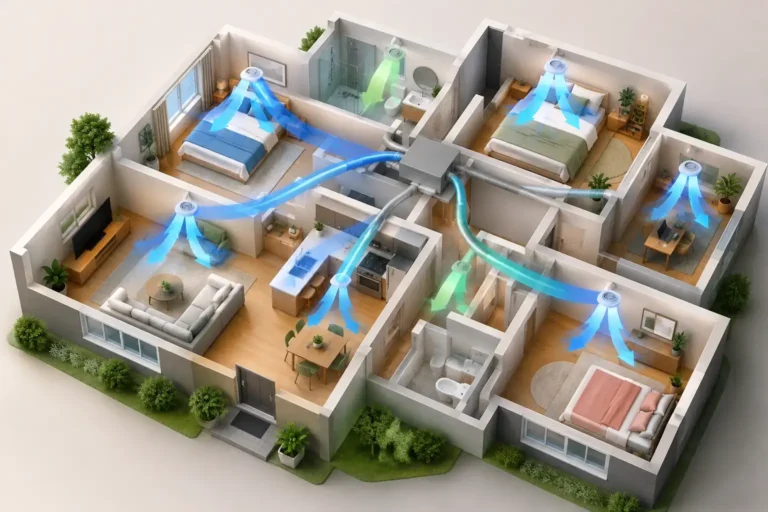
An air conditioner does not create cold air. It moves heat from inside your home or business to the outdoors. For that process to work, the thermostat, indoor blower, evaporator coil, refrigerant circuit, outdoor condenser, compressor, and ductwork all have to do their jobs.
If the indoor blower is still running, you may feel air coming from the vents even when the cooling process has stopped or weakened. That air can feel only slightly cool, room temperature, or warm. The symptoms provide useful clues, but they do not confirm a diagnosis on their own.
In Houston, high outdoor temperatures and humidity put added demand on air-conditioning equipment. A small airflow restriction, dirty coil, weak capacitor, or refrigerant issue that went unnoticed during mild weather can become obvious when the system has to run for hours at a time.
Thermostat settings or control problems
Start with the thermostat. Set it to Cool, lower the set temperature at least 3 to 5 degrees below the current indoor temperature, and confirm the fan setting is on Auto rather than On. With the fan set to On, the blower may continue circulating air between cooling cycles, which can make it seem as though the AC is running without cooling.
If the display is blank, inconsistent, or does not respond to setting changes, a thermostat battery, wiring, or control issue may be involved. Smart thermostats can also be affected by programming schedules, Wi-Fi configuration, or compatibility problems after an equipment change.
A dirty air filter or restricted airflow
A heavily loaded filter restricts the air passing across the indoor evaporator coil. That can reduce comfort, increase operating costs, and in severe cases cause the coil to freeze. Closed supply registers, blocked return grilles, crushed flex duct, and an undersized return-air path can produce similar results.
A dirty filter is common, but it is not always the full answer. If replacing a clogged filter restores cooling only briefly, there may be a coil cleanliness, duct, blower, or refrigerant issue that needs professional testing.
A frozen evaporator coil
Ice on the indoor coil prevents normal heat transfer. You may notice weak airflow, water around the indoor unit, or a system that cools poorly after running for a while. Frost can result from restricted airflow, low refrigerant charge, a malfunctioning blower component, or other mechanical problems.
Do not chip at ice or keep forcing the system to cool. Turn the thermostat to Off and set the fan to On if airflow is available, allowing the coil to thaw. Then arrange service before restarting cooling. Running a frozen system can place unnecessary strain on the compressor.
Outdoor unit trouble
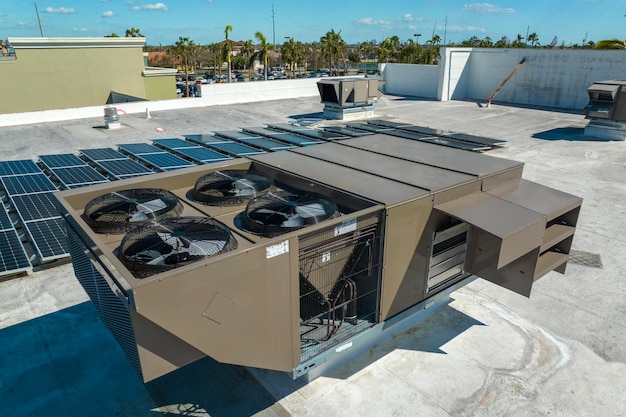
The outdoor condenser must release the heat removed from the building. If its fan is not spinning, the coil is packed with debris, the disconnect has tripped, or a capacitor or contactor has failed, the indoor blower may still run while the system delivers little or no cooling.
A humming outdoor unit, repeated clicking, burnt odor, or breaker that trips again after reset calls for professional attention. Do not repeatedly reset a tripped breaker. Electrical faults can damage equipment and create a safety risk.
Refrigerant loss or a compressor issue
Refrigerant is not a fuel that an AC system normally uses up. Low refrigerant usually indicates a leak or an installation-related issue. Adding refrigerant without locating the cause may offer short-term relief, but it does not protect long-term reliability or efficiency.
A technician should inspect the system, identify the reason for the low charge, verify repairs, and charge the equipment according to manufacturer specifications. Compressor problems, metering-device faults, and refrigerant restrictions can produce similar symptoms, which is why accurate diagnosis matters.
Safe Checks Before You Schedule AC Repair
A few observations can help speed up service without exposing you to electrical or refrigerant hazards. Avoid opening equipment panels or attempting repairs at the outdoor unit.
- Check that the thermostat is set to Cool and the temperature is below the room temperature.
- Replace a visibly dirty filter with the correct size and airflow rating for your system.
- Make sure return grilles and supply vents are open and not blocked by furniture, boxes, or curtains.
- Look at the outdoor unit from a safe distance. Clear leaves, grass clippings, and stored items from around it, leaving room for airflow.
- Check the electrical panel once. If the HVAC breaker is tripped, reset it one time only. If it trips again, leave it off and call for service.
Also pay attention to timing. Does the system cool in the morning but struggle in late afternoon? Is one room warm while the rest of the building is comfortable? Does the indoor unit run constantly, or does it start and stop every few minutes? These details help distinguish an equipment failure from duct leakage, zoning imbalance, poor insulation, solar heat gain, or a system that is no longer sized for the space.
When to Turn the System Off
Turn off cooling and request service promptly if you see ice on refrigerant lines, water leaking from the ceiling or air handler, smoke, a burning smell, loud metal-on-metal noise, or a repeatedly tripping breaker. If the outdoor fan is not operating while the compressor appears to be on, shut the system down rather than letting it overheat.
For a business, especially a restaurant, kitchen, or tenant-occupied property, quick action protects more than comfort. High indoor temperatures can affect staff productivity, customer experience, equipment loads, food-service operations, and humidity-sensitive inventory. A temporary cooling plan may be appropriate while a technician identifies the root cause and recommends the least disruptive repair path.
Repair, Replacement, or an Efficiency Upgrade?
Not every cooling failure means replacement is necessary. A well-maintained system with a failed capacitor, contactor, drain safety switch, or blower component can often be repaired efficiently. If the system is older, has repeated refrigerant leaks, needs a major compressor repair, or cannot maintain comfort during peak conditions, it may be time to compare repair costs with replacement options.
The right decision depends on equipment age, repair history, refrigerant type, expected remaining life, duct condition, and your comfort goals. A replacement should not be selected on tonnage alone. Proper load calculations, humidity control, return-air design, and installation quality have a direct effect on performance.
For homes with persistent hot rooms, a ductless system or zoning solution may solve a comfort issue that a single replacement unit cannot. Commercial properties may benefit from a tailored VRF design, dedicated outdoor air strategy, or controls upgrade that improves comfort while reducing unnecessary energy use. Rebates and financing can also change the economics of a higher-efficiency option.
Get a Clear Diagnosis Before the Heat Gets Worse
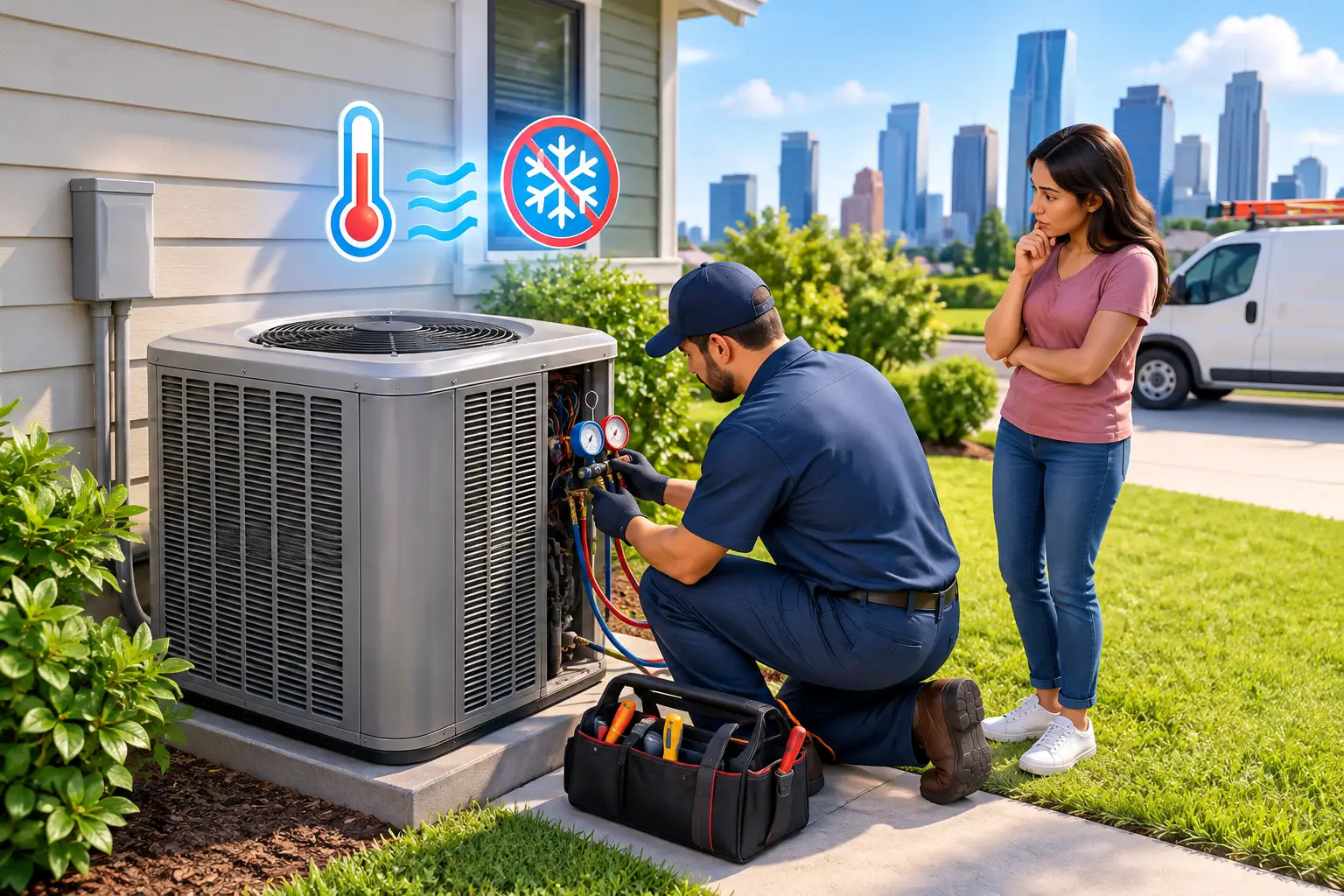
A dependable repair visit should include more than replacing the first part that looks suspicious. The technician should evaluate airflow, temperature split, electrical operation, refrigerant performance, drainage, and the condition of indoor and outdoor components. You deserve a clear explanation of what failed, why it likely happened, what the repair includes, and whether there are practical options worth considering.
Koolpro provides Houston homeowners and commercial property teams with licensed HVAC service built around accurate diagnosis and long-term comfort. Whether the answer is a focused repair, maintenance correction, or a system designed for better humidity control and efficiency, acting early can prevent a hot afternoon from becoming a larger equipment problem.
If your AC is running but the space is getting warmer, do the safe checks, protect the equipment when warning signs appear, and schedule qualified service before the next Houston heat spike puts the system under even greater strain.