A Houston air conditioner has to work hard for much of the year, but it should not take over the conversation in your home or business. If you are asking, “why is AC loud,” the answer depends on the type of sound, where it comes from, and when it occurs. Some noises have a straightforward fix, such as a loose panel or clogged filter. Others can signal a failing motor, refrigerant issue, or compressor problem that deserves prompt professional attention.
The key is not to ignore a new or worsening sound. HVAC equipment rarely becomes loud without a reason, and early service can often prevent a smaller repair from becoming a costly breakdown during Houston’s hottest weather.
Why Is AC Loud? Start With the Sound You Hear
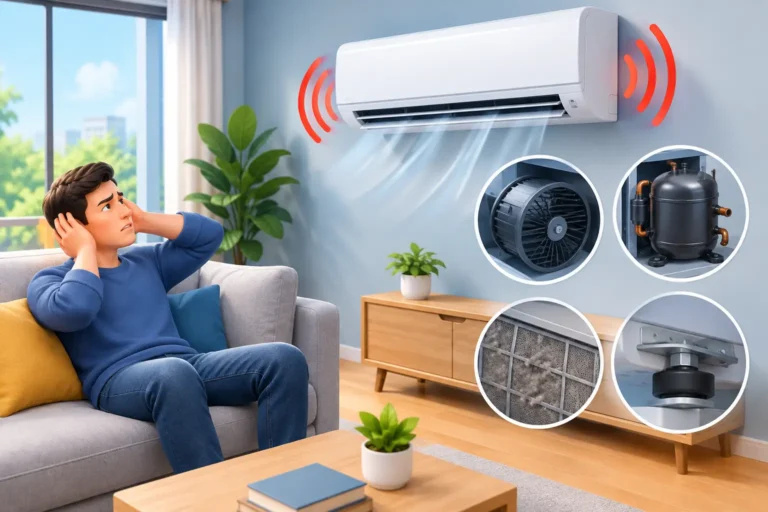
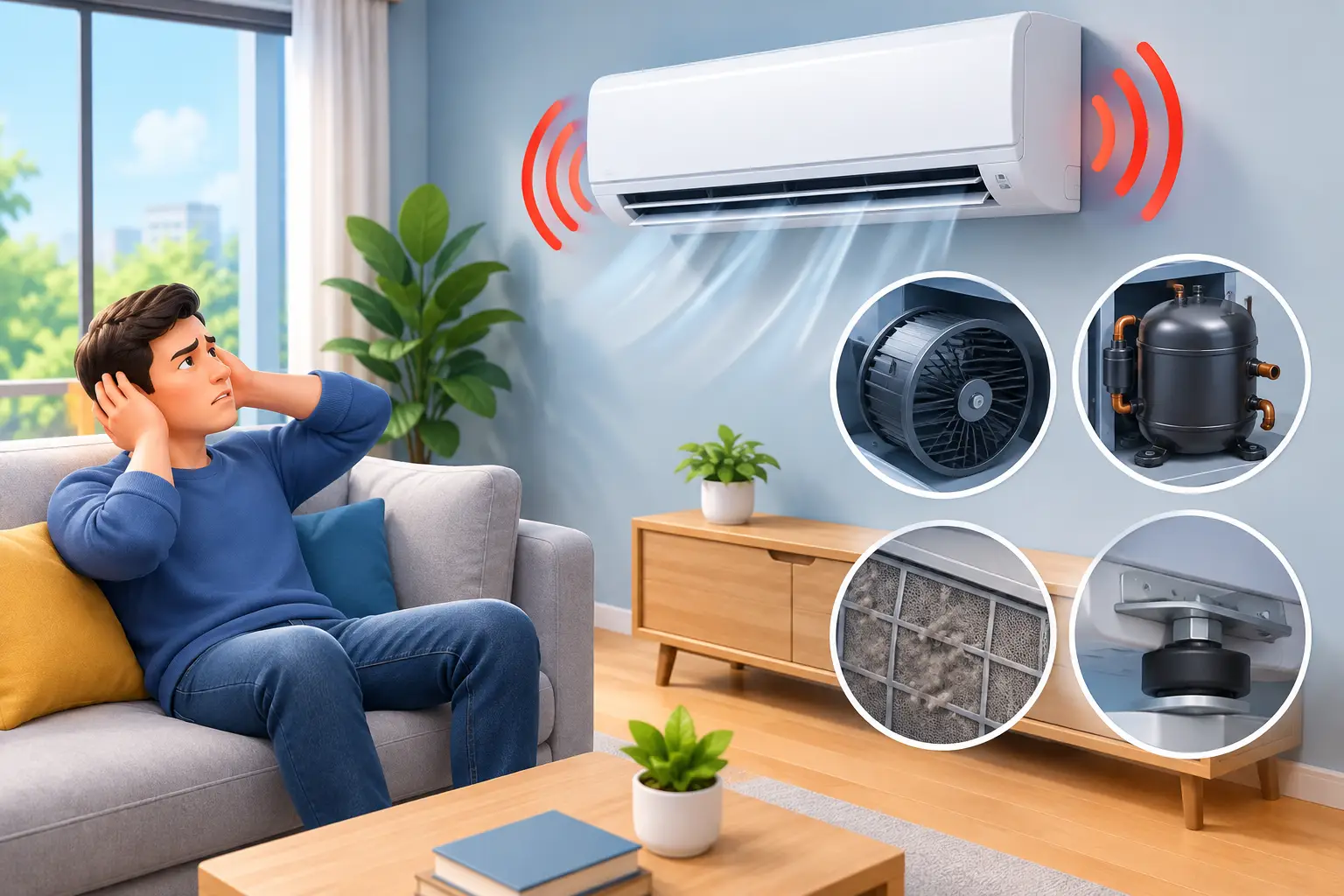
Your system makes normal operating sounds: a gentle rush of air at the supply vents, a low outdoor-unit hum, and the click of a thermostat or contactor as cooling starts. What is not normal is banging, metal-on-metal grinding, persistent squealing, sharp hissing, or a vibration strong enough to rattle walls, ceilings, or windows.
Location provides useful context. Noise from a return grille may be an airflow or duct issue. Noise at the indoor air handler may involve the blower assembly, condensate components, or cabinet panels. A loud condenser outside can point to the fan, compressor, electrical controls, or debris around the unit. An experienced HVAC technician will listen to the equipment in operation, inspect the components involved, and identify the cause instead of treating the sound alone.
Common AC Noises and What They May Mean
Rattling or vibrating
Rattling is often one of the less serious AC sounds, but it still needs attention. A cabinet screw, access panel, refrigerant line, fan guard, or duct connection may have loosened. Outdoor units can also vibrate against an uneven pad or have leaves, twigs, or other debris shifting near the fan.
In homes, vibration can travel through framing or ductwork and sound much louder in another room than it does at the equipment itself. A technician may secure panels and lines, adjust mounting hardware, add isolation where appropriate, or correct the unit’s support. Do not try to reach through the fan grille or tighten electrical components yourself.
Buzzing or humming
A brief hum during a cooling cycle can be normal. Constant, unusually loud, or new buzzing is different. It may come from a loose electrical connection, worn contactor, failing capacitor, transformer, or compressor issue. Outdoor fan motors can also hum when they struggle to start or operate under a failing electrical component.
Because electrical faults can damage equipment and present a safety concern, turn the system off if the sound is severe, if you notice a burning smell, or if the breaker trips. Calling for service quickly can protect more expensive components from further damage.
Squealing or screeching
A high-pitched squeal commonly comes from the indoor blower motor or wheel assembly. Depending on the system design and age, the source could be a failing motor bearing, worn belt, or misaligned moving part. Continuing to run the AC can place extra strain on the motor and may eventually stop airflow altogether.
Low airflow is more than a comfort problem in Houston. It can leave rooms humid, reduce cooling performance, and make the system run longer than necessary. Addressing a squeal early helps protect both comfort and operating costs.
Grinding, scraping, or metal-on-metal sounds
Grinding and scraping are not sounds to wait on. They can indicate worn motor bearings, a loose blower wheel, a damaged fan blade, or a fan blade contacting its housing. If the sound comes from the outdoor unit, shut the AC off and arrange a professional inspection. A damaged fan assembly can create additional damage quickly if it continues spinning.
Banging or clanking
A bang at startup or shutdown may be related to duct expansion, especially if it is brief and happens at the same point in every cycle. However, repeated clanking or banging from the air handler or condenser can indicate a loose or broken component, unbalanced blower wheel, compressor issue, or damaged fan blade.
The difference matters. Duct noise may be addressed through airflow adjustments, better duct support, or design improvements. Mechanical clanking needs equipment diagnosis before it leads to a larger repair.
Hissing, bubbling, or whistling
Whistling near a vent can occur when airflow is restricted by a dirty filter, closed register, undersized return, or poorly balanced duct system. Replacing the filter with the correct size and rating is a sensible first check. Avoid closing too many supply registers in an attempt to redirect cooling, since that can raise static pressure and make noise worse.
Hissing or bubbling at refrigerant lines or the indoor coil may indicate a refrigerant leak. Refrigerant does not get used up during normal operation. If levels are low, a technician should find and repair the leak, then charge the system to manufacturer specifications. Simply adding refrigerant without correcting the source is not a lasting solution.
Airflow Problems Can Make an AC Seem Louder
Sometimes the equipment itself is working properly, but the air distribution system is creating the problem. Restricted airflow forces the blower to work harder and can create a loud rushing sound at returns and vents. Dirty filters, blocked returns, crushed flex duct, undersized ductwork, and incorrect fan settings are common contributors.
This is especially relevant after a renovation, room addition, or equipment replacement. A high-efficiency system installed on poorly matched ductwork may cool unevenly, sound louder, and struggle with humidity. The right solution is not always a repair to the AC unit. It may involve duct modifications, zoning, a variable-speed system, or ductless equipment for a difficult-to-condition area.
Commercial spaces have similar concerns on a larger scale. A restaurant dining room, office suite, or multi-zone building can develop distracting airflow noise when occupancy, layout, ventilation needs, or equipment loads change. Proper system design and balancing are essential for comfort without unnecessary disruption.
What You Can Check Safely Before Scheduling Service
A few simple observations can help narrow down the issue. First, note whether the sound starts immediately, only after the system has run for a while, or when it shuts down. Listen for whether it comes from the indoor unit, outdoor unit, a specific vent, or the ductwork.
Check that the filter is clean and installed correctly, that return grilles are not blocked by furniture, and that supply registers are open. Look around the outdoor unit for loose debris, but keep hands, tools, and hoses away from the fan and electrical components. Also take note of related symptoms: weak airflow, warm air, ice, water leaks, higher humidity, burning odors, or an increase in energy bills.
These details help a technician diagnose the system efficiently. They do not replace a professional inspection when the sound is loud, persistent, or accompanied by performance problems.
When a Loud AC Needs Immediate Attention
Turn off the system and request service as soon as possible if you hear grinding, loud metal scraping, repeated electrical buzzing, or an unusually harsh compressor sound. Do the same if noise is paired with a burning odor, smoke, a tripped breaker, ice buildup, or no cooling.
Do not keep resetting a breaker or repeatedly cycling the thermostat to force the equipment to run. That can worsen electrical or mechanical damage. If indoor temperatures are rising, use fans, keep blinds closed, and limit heat-producing appliances while waiting for help.
Preventing Future AC Noise
Seasonal maintenance is the best defense against many avoidable noises. During a professional tune-up, technicians can inspect electrical connections, clean coils, check motors and fan assemblies, test capacitors, verify drainage, assess refrigerant performance, and look for loose hardware before it becomes a disruptive sound.
For systems with recurring airflow noise or uneven temperatures, ask for a broader comfort evaluation. A solution tailored to your home or commercial space may include duct improvements, zoning, humidity control, or a quieter variable-speed, ductless, or VRF system. The best choice depends on the building, usage, budget, and condition of the existing equipment.
A loud AC is your system asking for attention. Listening early and getting a clear diagnosis can restore the quiet, reliable comfort you expect while protecting your investment through another Houston cooling season.