
For weeks, William drove past a house in our service area with a brown stream running from a pipe by an upstairs window down onto the lower roof. One day the owners called. They had seen our truck in the neighborhood and their AC was not cooling well. They had never thought twice about the water, because they assumed an AC dripping water outside is just what an AC does. Sometimes it is. That time it was a warning that was one millimeter from becoming a ceiling repair. Here is how to tell the difference.
Quick answer: An AC dripping water outside is normal when it comes from the low pipe near the foundation while the system runs. It is a warning when water drips from a pipe high on the wall, usually above a window or under the eave. That is the secondary drain, and it only runs when the main drain is clogged. Call before the backup pan overflows into your ceiling.
Where AC water comes from
Your AC does not make water. It pulls it out of the air. Houston air is humid, and when it passes over the cold evaporator coil inside your indoor unit, the moisture condenses on the coil the same way water beads on a cold glass in August. On a muggy day a home system can pull several gallons out of the air.
That water drips off the coil into a drain pan under it and leaves the house through a PVC pipe called the condensate line. This is a good thing. Removing humidity is half of what makes your house feel comfortable. If your home still feels sticky with the AC on, the problem is the opposite one, and we cover it in why your house is humid with the AC on.
Normal drip or warning? The two pipes
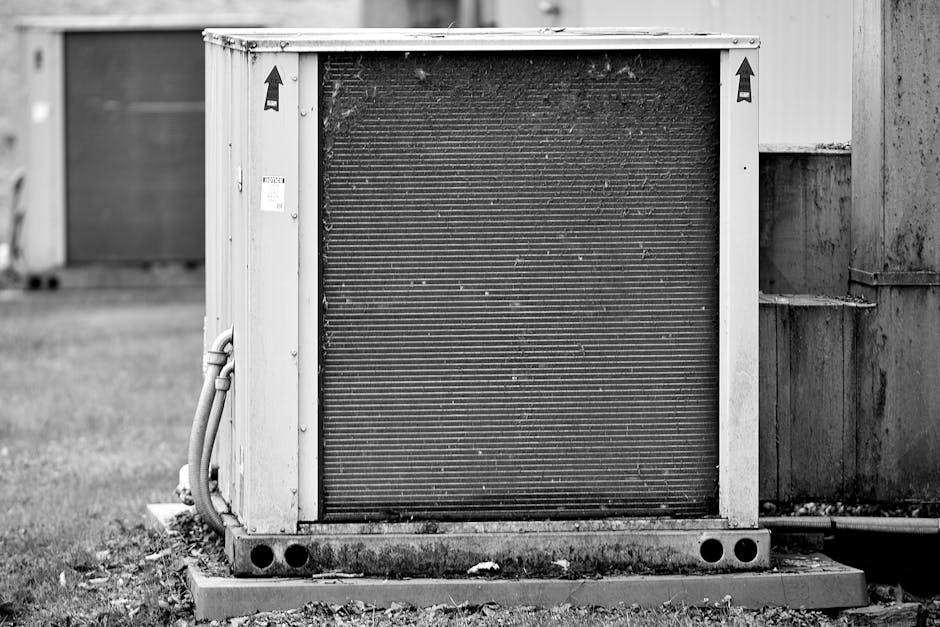
Because most Houston homes have the indoor unit in the attic, the builder protects the ceiling with two drains. Knowing which one is dripping tells you almost everything.
| Primary drain | Secondary (emergency) drain | |
|---|---|---|
| Where it ends | Low on the house, near the foundation, or into a plumbing drain | High on the wall, usually above a window, a door or under the eave |
| When it drips | Whenever the AC runs, more on humid days | Only when the primary drain is blocked |
| What it means | Normal. The system is removing humidity | Warning. The backup pan is catching water that should be going down the main line |
| What to do | Nothing, unless it stops completely in summer | Schedule service soon. Do not wait for the next season |
Builders put the secondary pipe above a window on purpose. It is meant to be annoying so you notice it. The problem is that a lot of people, especially those new to Houston or who grew up without central air, see it, assume it is normal and move on.
What we found in that attic
Back to the house with the brown stream. The owners had lived there three years and the system had never had a tune-up. In the attic, the main condensate line was clogged solid. The emergency pan under the unit was full of water, rusty from years of sitting wet, and about a millimeter from the rim. And the emergency pipe that should have carried that water outside? Wasps had built a nest inside the open end. The only water getting out was a trickle around the nest, and it was brown with rust from the pan.
Two more days of heavy cooling and that pan would have spilled over onto the drywall of the room below. We cleared the main line, cleaned out the nest, checked the pan, and walked the owners through it so they would know the sign next time. They became regular customers, and still call us from their new house.
Three lessons from that one attic:
- Water from the high pipe means the main drain has already failed. You are on the backup.
- Brown or rusty water means the backup has been working for a while. A metal pan that stays wet rusts through eventually.
- Open pipe ends attract nests. Wasps and mud daubers love them in Texas, and a blocked emergency line means the backup has no exit either.
What clogs a condensate drain in Houston
The drain line is a warm, wet, dark pipe, which is exactly where things like to grow. The usual causes we find:
| Cause | Why it happens |
|---|---|
| Algae and slime | Constant moisture and attic heat. The most common clog by far |
| Dust and debris | A dirty or missing filter lets dust reach the coil and wash into the pan |
| Insect nests | Wasps and mud daubers build in open pipe ends outside |
| A sagging or flat line | Water needs a downhill slope. A line that sags in the attic holds water and gunk |
| Rust flakes | An old metal pan sheds rust into the line it drains into |
The dust one is worth stressing. A clogged drain and a forgotten filter often show up together, because the dust the filter should have caught ends up in the pan. If you are not sure where your filter is, start with where the air filter is in your house.
What you can safely do today
If the high pipe is dripping, you have some time, but not a lot. Here is what a homeowner can do without climbing into an attic at 130 degrees:
- Check where the water is coming from. Low pipe, relax. High pipe, keep going.
- Look at the ceiling under the attic unit. A brown ring or a soft spot means water is already escaping. Turn the system off at the thermostat and call.
- Check the end of the high pipe. If you can reach it safely, look for a nest or debris in the opening.
- Clear the primary line from outside. A wet and dry vacuum on the end of the low pipe for a minute often pulls a clog out. We explain the method step by step in how to clean an AC condensate drain.
Honest note: if the vacuum clears it and the high pipe stops dripping within a day, you may not need us this time. If it comes back within weeks, the line likely has a sag, a buildup deep inside or a pan problem, and that is worth a visit.
How to keep it from happening
A condensate drain is the cheapest part of your AC and one of the most expensive to ignore, because what it protects is your ceiling, your insulation and your drywall. Prevention is simple:
- Have the drain flushed and the pan inspected once a year. In Houston, before summer is ideal.
- Ask for a float switch if you do not have one. It shuts the AC off when the pan fills, so you get a warm house instead of a wet ceiling.
- Replace a rusted metal pan before it fails.
- Screen or cap the open end of the emergency pipe so nothing can nest inside.
All of that is part of our seasonal maintenance visit. If your home also fights constant humidity, a whole home dehumidifier takes load off the AC and the drain.
Frequently asked questions
Is it normal for AC to drip water outside?
Yes, from the low pipe near the foundation while the system runs. That is the humidity your AC removed. Dripping from a pipe high on the wall or above a window is not normal and means the main drain is blocked.
Why is my AC secondary drain line dripping?
Because the primary drain is clogged and the backup pan is catching the overflow. Clear or service the main line soon, before the pan fills and spills into the ceiling.
What happens if the AC drain pan is full of water?
If you have a float switch, the AC shuts off. If you do not, the water overflows onto the ceiling below. A full pan always means the drain is not doing its job.
Should I pour bleach down my AC drain line?
Not as a habit. Some manufacturers allow a small amount of vinegar or an approved tablet, others advise against it. Check your system first, and never use bleach on a line with a metal pan.
Seeing water from the high pipe, or a stain on the ceiling? Contact Koolpro or call 713-714-0707. We serve Houston, Katy, Sugar Land and Fort Bend.