
A homeowner called us because one bedroom was always hotter than the rest of the house. When William asked where her air filter was, she said, “What filter?” She had lived there for years and had never changed it. If you are asking where is the air filter in my house, you are already ahead of her. Here is where to look in a Houston home, how to tell the filter grille from a regular vent, and the one mistake that turned her coil into a block of ice.
Quick answer: In most Houston homes the air filter sits behind a large return grille on a wall or ceiling, usually in a hallway, or in a slot at the air handler in the attic, garage or a closet. The return grille is bigger than the supply vents and pulls air in instead of blowing it out. Never cover it with furniture: without return air the system cannot move heat, and the coil can freeze.
Where the air filter usually is in a Houston home
There are only a few places a filter can live, and in Houston the layout of the house tells you which one to check first. Most homes here have the air handler in the attic, so the filter is rarely next to the equipment. It is usually behind a return grille somewhere you walk past every day.
| Where to look | What it looks like | Common in |
|---|---|---|
| Hallway ceiling | A large grille, often 20 x 25 or bigger, with hinges or two latches | Single story homes with the unit in the attic |
| Hallway or living room wall | A big grille low or high on the wall, sometimes one per floor | Two story homes, newer builds in Katy and Sugar Land |
| Air handler in a closet or garage | A slot with a removable cover where the duct meets the unit | Older homes, townhomes, some remodels |
| Air handler in the attic | A filter rack right at the unit, behind a panel | Homes with no return grille filter, or a second filter location |
Some homes have two or three return grilles, each with its own filter. If you find one, walk the house and check every large grille. Changing one and forgetting the others is a very common miss.
How to tell the return grille from a supply vent
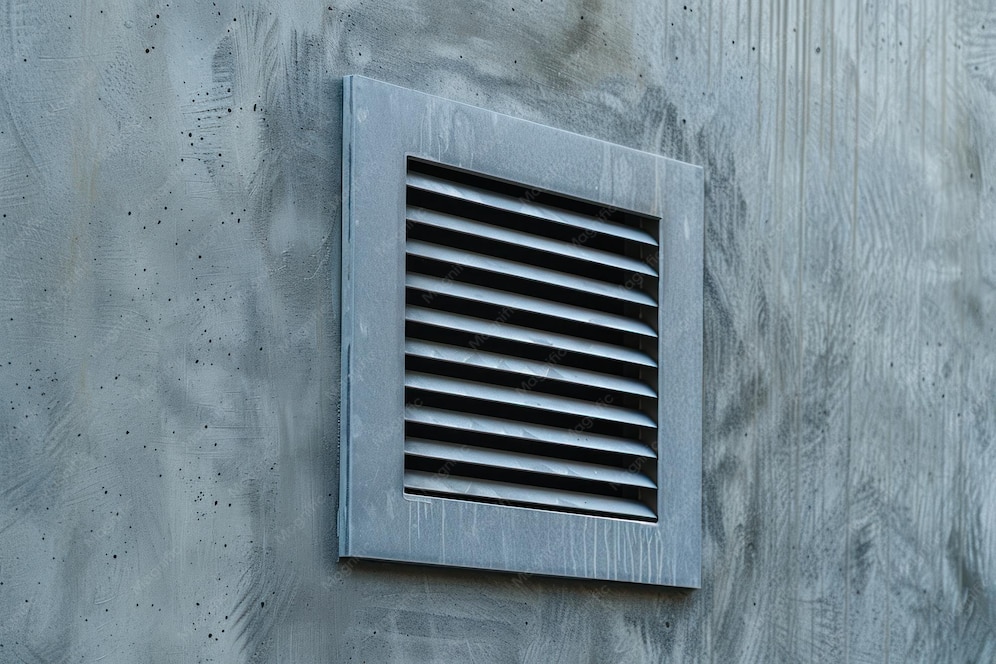
Supply vents are the small ones, one or two per room, that blow cold air. The return grille is the opposite: it is larger, there are fewer of them, and it pulls air in. Two quick checks with the system running:
- Hold a tissue near it. If it gets sucked flat against the grille, that is a return.
- Look at the size. A return is usually several times bigger than a supply vent.
Open the grille (most have two latches or screws) and you should see the filter with its size printed on the frame, something like 20x25x1. Take a photo of that label. It is the only thing you need to buy the right one next time.
Why you should never cover the return vent
Back to the homeowner with the hot bedroom. We went up to the attic, followed the return duct down, and it ended behind a cabinet in her living room. She had pushed the cabinet against the wall because she thought the grille looked ugly. The system had been breathing through a gap of a couple of inches for years, through a filter nobody had touched.
The result was what we expected. The evaporator coil in the attic was a solid block of ice. With almost no return air, there was no warm air passing over the coil to pick up the cold, so the coil kept getting colder until the moisture on it froze. A frozen coil cools nothing, and the far bedroom was the first room to feel it.
Covering a return, fully or partly, does three things:
- It starves the system of air. The blower works harder and moves less.
- It can freeze the coil. Less airflow means a colder coil and, in Houston humidity, ice. We explain the other causes in why an AC freezes up.
- It hides the filter. Out of sight is out of mind, and a filter that is never changed restricts the air even more.
Our rule of thumb: keep at least a foot of open space in front of any return grille. A couch with legs in front of a low return is usually fine. A bookcase, a cabinet or a bed pushed flat against it is not. If you hate how the grille looks, a decorative return grille that fits the same opening is a much better answer than a piece of furniture.
Signs your filter has been forgotten
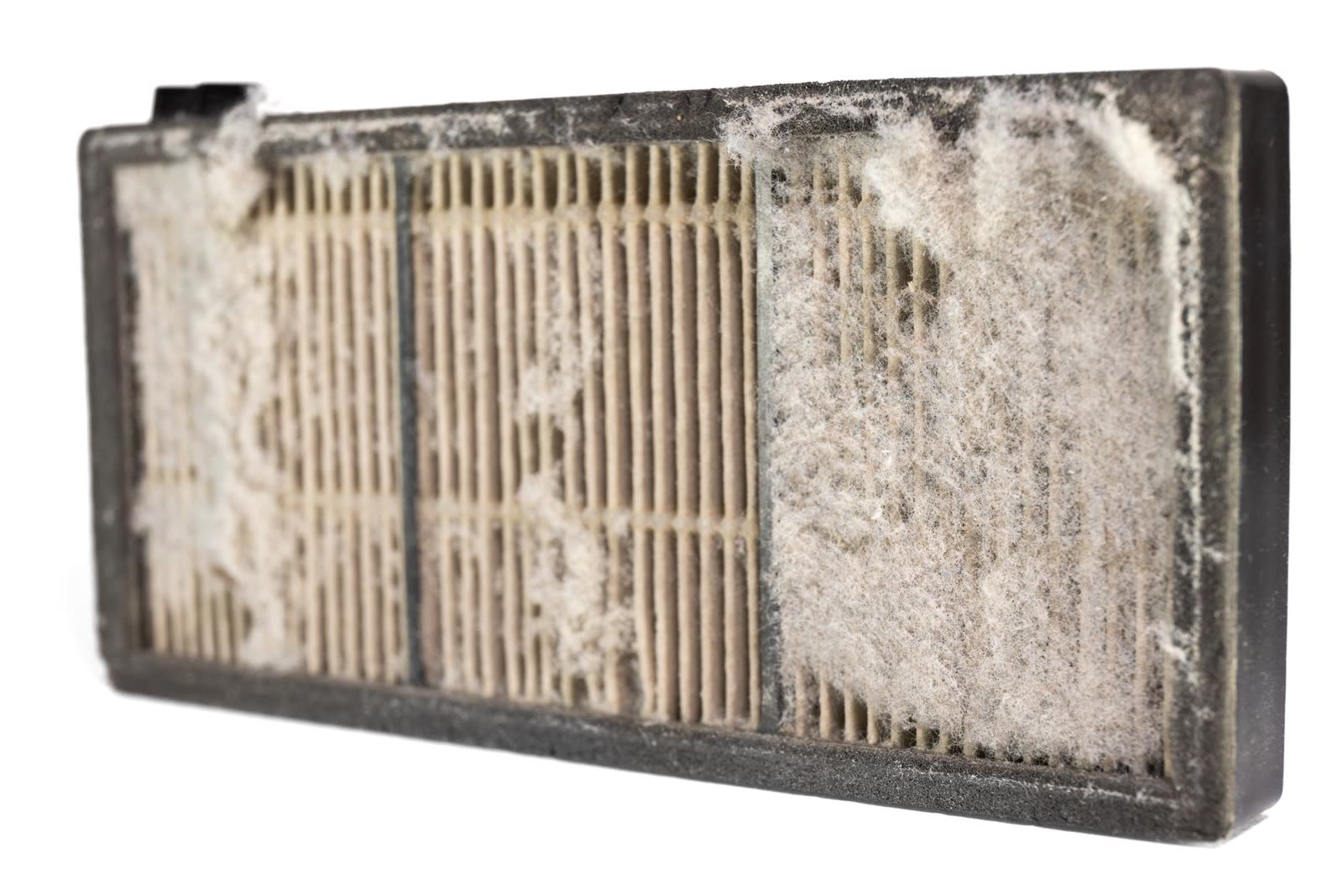
A clogged filter rarely announces itself. These are the dirty air filter symptoms we see most:
| What you notice | What is happening |
|---|---|
| One or two rooms warmer than the rest | Less total airflow, and the far rooms get the least |
| The system runs longer and the bill goes up | The blower is fighting the filter for every cubic foot of air |
| More dust on furniture | The filter is full or bypassing, so dust goes around it |
| Ice on the copper line or water around the unit | The coil is freezing and then melting into the drain pan |
| Weak air from the vents | Not enough air is getting back to the system to send out |
If one room is hotter even with a clean filter, the cause is usually in the ducts or the airflow balance. We walk through those causes in why one room is always hotter than the rest.
How often to change it in Houston, and which one to buy
For a standard 1 inch filter in a Houston home, plan on every one to three months. Lean toward monthly in summer, when the system runs most of the day, and if you have pets or someone with allergies. Thicker 4 or 5 inch media filters at the air handler can last six months or more.
Here is where people overspend. The most expensive filter on the shelf is not the best one for your system. A very high MERV filter in a 1 inch slot can restrict airflow almost as much as a dirty one, which brings you right back to the frozen coil. Our honest advice: a mid range pleated filter, changed on time, beats a premium filter left in for six months. If you want to understand the ratings, read what MERV rating you actually need, or see the air filters we install for homes that need better filtration.
A simple habit that works: write the date on the edge of the filter with a marker when you put it in, and set a phone reminder for the next change.
When you cannot find it at all
Some homes really do hide the filter. Remodels move walls, a previous owner adds a filter rack in the attic, or the only return is in a closet nobody opens. If you have checked every large grille and the indoor unit and still cannot find it, do not guess. A system that has run years without a filter usually has a dirty coil and blower too, and replacing the filter alone will not undo that.
This is one of the three things we ask on every visit: where is your filter and when did you last change it. During a seasonal maintenance visit we find every return, show you where each filter goes, write the sizes down for you, and check the coil for the damage a missing filter leaves behind.
Frequently asked questions
Where is the air filter in my house if there is no grille in the hallway?
Check the walls of the living areas for a large grille, then the indoor unit itself in the garage, a closet or the attic. Many homes with the unit in a closet have the filter in a slot where the return duct meets the air handler.
Can you cover a return vent with furniture?
Not fully, and not flat against it. Covering a return vent with furniture starves the system of air, raises the bill and can freeze the coil. Leave at least a foot of open space in front of it.
How do I know which side of the filter faces the unit?
The frame has an arrow that shows airflow direction. The arrow should point toward the air handler, which means into the wall or ceiling when the filter sits behind a return grille.
Why is my AC freezing up if I just changed the filter?
A new filter fixes airflow from the filter only. A blocked return, a dirty coil, a weak blower or low refrigerant can still freeze it. Turn cooling off, let the ice melt with the fan on, and have the system checked.
Not sure where your filters are, or worried the coil already took a hit? Contact Koolpro or call 713-714-0707. We serve Houston, Katy, Sugar Land and Fort Bend.