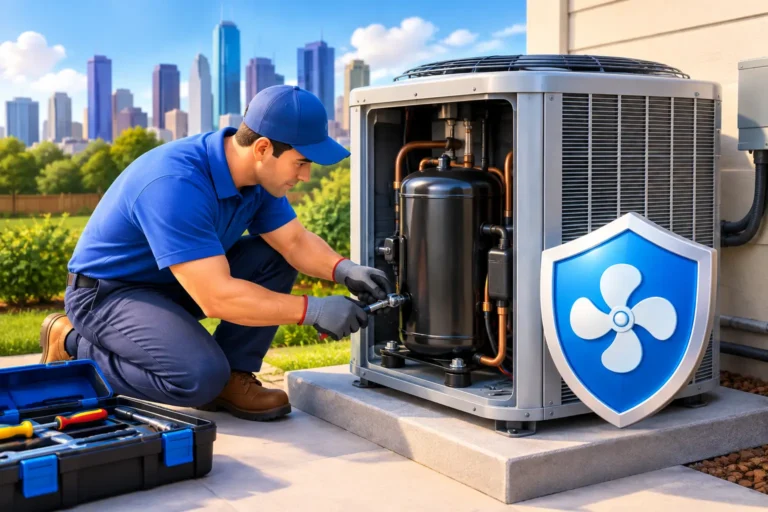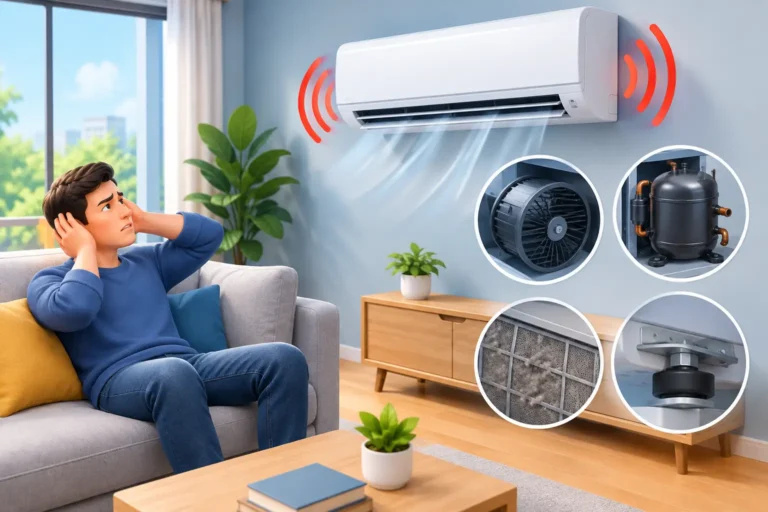
A compressor rarely fails without warning. In Houston, the warning signs often begin during the hottest stretch of the year: longer cooling cycles, warm air from the vents, a buzzing outdoor unit, or an electric bill that rises without a clear reason. Knowing how to prevent AC compressor failure can protect one of the most expensive components in your air-conditioning system and help keep your home or business comfortable when the heat is least forgiving.
The compressor is the heart of an AC system. It circulates refrigerant between the indoor and outdoor equipment, moving heat out of your space so conditioned air can circulate inside. When it is forced to operate with poor airflow, low refrigerant, dirty coils, or unstable electrical power, it works harder than designed. That added strain can shorten its service life and turn a manageable maintenance visit into a major repair or replacement decision.
Why AC Compressors Fail in Houston
Houston’s heat and humidity put air-conditioning equipment under sustained demand. A system that might run intermittently in a milder climate can run for hours at a time here, especially in homes with attic ductwork, uneven insulation, heavy sun exposure, or high indoor humidity.
Heat alone is not usually the problem. The larger issue is heat combined with neglected operating conditions. A clogged filter restricts airflow. A dirty outdoor coil traps heat. A refrigerant leak changes pressures inside the system. A failing capacitor or damaged electrical connection can make startup difficult. Each issue places more stress on the compressor, and several small issues together can create a serious failure risk.
For commercial properties, the stakes can be even higher. Restaurants, kitchens, offices, and multi-tenant buildings may operate equipment for extended hours while dealing with added internal heat, ventilation demands, and frequent door traffic. A compressor problem can affect customer comfort, staff productivity, inventory, and daily operations.
Prevent AC Compressor Failure With Better Airflow
Airflow is one of the simplest areas to manage, and one of the most overlooked. Your AC needs enough air moving across the indoor evaporator coil to absorb heat properly. When airflow is restricted, the coil can become excessively cold and freeze. Refrigerant may then return to the compressor in a form it was not designed to handle, causing damaging stress over time.
Start with the air filter. In many Houston homes, checking it monthly during the cooling season is a practical habit. Replace it when it looks loaded with dust, pet hair, or debris. The right replacement schedule depends on filter type, pets, occupancy, construction dust, and indoor air quality needs, but waiting until a filter is visibly packed is too long.
Keep supply vents and return grilles open and clear. Closing multiple vents to force cooling into one room can increase pressure in the duct system and reduce overall airflow. Furniture, rugs, storage boxes, and drapes should not block returns. If some rooms remain consistently hotter or cooler than others, the answer may be professional airflow balancing, duct improvements, or zoning rather than closing vents.
In commercial buildings, airflow issues may point to improperly sized ductwork, blocked rooftop unit filters, dirty kitchen make-up air components, or changes in how a space is used. A restaurant that adds cooking equipment or an office that reconfigures enclosed rooms may need its HVAC design reassessed.
Keep the Outdoor Unit Able to Release Heat
The outdoor condenser has one job that cannot be compromised: it must reject the heat collected from indoors. When its coil is covered with dirt, grass clippings, cottonwood, or grease-laden debris, the system runs at higher pressure. That raises the compressor’s workload and energy use.
Keep vegetation trimmed back from the outdoor unit and avoid stacking items around it. The unit needs open space for air to move through the coil. Do not cover it while operating, and avoid directing lawn clippings toward it. After storms, check for leaves or debris around the cabinet.
A light rinse with a garden hose can help remove loose surface debris, but high-pressure spraying can bend delicate coil fins. If the coil is visibly impacted, greasy, or matted with dirt, professional cleaning is the better choice. Technicians can clean the coil safely and inspect the fan motor, contactor, capacitor, wiring, and refrigerant performance at the same visit.
Treat Refrigerant Problems as Repair Priorities
Refrigerant is not consumed like fuel. If your AC is low, there is usually a leak that needs to be located and repaired. Adding refrigerant without addressing the leak may restore cooling temporarily, but it does not solve the condition that is stressing the compressor.
Low refrigerant can cause the compressor to run hotter than normal. In other cases, an improper refrigerant charge after a repair or installation can create pressure problems and reduce efficiency. Both situations call for trained diagnosis, not guesswork.
Watch for reduced cooling, ice on refrigerant lines or the indoor coil, hissing sounds, unusually long run times, or water around the air handler after ice melts. These signs can overlap with airflow problems, which is why an accurate evaluation matters. A licensed technician should verify pressures, inspect for leaks, assess airflow, and confirm that the equipment is operating within manufacturer specifications.
Address Electrical Warning Signs Early
The compressor depends on several electrical components to start and run correctly. A weak capacitor can make the unit struggle to start. Pitted contactor contacts can interrupt reliable power. Loose connections can create heat and damage components. Power surges, particularly after severe weather, can also affect sensitive equipment.
Do not ignore clicking, humming, repeated failed starts, breaker trips, or a burning odor near the outdoor unit. Turn the system off and arrange service if you notice these symptoms. Continuing to reset a tripped breaker or forcing the system to run can cause more damage.
For properties with recurring electrical issues, a technician may recommend evaluating the disconnect, wiring, voltage supply, and surge protection options. The right solution depends on the equipment, electrical panel, and history of the building. It is not a one-size-fits-all upgrade, but it can be worthwhile where storms or power fluctuations are common.
Avoid Short Cycling and Oversized Equipment
Short cycling happens when an AC turns on and off too frequently. This behavior increases wear on compressor components because startup is one of the system’s most demanding moments. It can also leave humidity behind, making a space feel uncomfortable even when the thermostat reaches its setting.
A dirty filter, frozen coil, thermostat issue, refrigerant condition, or failing electrical part can trigger short cycling. An oversized system can contribute as well. Bigger is not automatically better in Houston. Equipment that cools a space too quickly may not run long enough to remove humidity effectively, and frequent starts can reduce comfort and equipment longevity.
When replacing an older system, insist on a proper load calculation and a review of ductwork, insulation, windows, occupancy, and humidity needs. For larger homes and commercial spaces, options such as zoning, ductless systems, or VRF equipment may offer better room-by-room control than a single oversized unit.
Schedule Maintenance Before Peak Cooling Season
Professional maintenance is the most reliable way to identify compressor risks before they become urgent. A thorough visit should go beyond changing a filter. It should include checking electrical connections and components, cleaning coils as needed, measuring operating performance, inspecting drainage, verifying airflow, and looking for refrigerant concerns.
For most Houston properties, service before the heavy cooling season is a smart baseline. High-use systems, commercial equipment, restaurant HVAC, and buildings with extended operating hours may benefit from more frequent maintenance. The appropriate schedule depends on run time, equipment type, environmental conditions, and the consequences of downtime.
Koolpro’s licensed technicians can evaluate the condition of your system and explain what is urgent, what should be planned, and what can be monitored. That clarity helps homeowners and facility decision-makers make repairs based on performance, budget, and long-term reliability rather than reacting in the middle of a breakdown.
A Practical Owner Checklist
Between professional visits, a few consistent habits can reduce unnecessary compressor strain:
- Check the filter regularly and replace it when dirty.
- Keep return grilles, supply vents, and the outdoor unit clear.
- Set the thermostat to a steady, realistic temperature rather than making large repeated adjustments.
- Pay attention to new noises, ice, breaker trips, weak airflow, or longer cooling cycles.
- Schedule service promptly when performance changes instead of waiting for a complete shutdown.
The best time to protect a compressor is when the AC is still cooling, but not cooling quite as well as it used to. A timely inspection can often correct the airflow, electrical, drainage, or refrigerant issue behind the change and help your system carry Houston’s next heat wave with far less risk.